
The Sun that Clarifies the Practice of the Thirty-two Trülkhors of Amṛtasiddhi
Translated by Tsering Dorji

Contents
Introduction
Structure of the text
Translation of the Amṛtasiddhi thirty-two Trülkhor
Translator’s Note
(1) Amgrol
(ii) Similarities between the Shangpa Amṛtasiddhi Thirty-two Trülkhors and Trülkhor Systems from Other Kagyü Traditions
(iii) Saṃpuṭa Yoga [mūlabandha]
Introduction
The Amṛtasiddhi teachings of Virūpa travelled from India to Tibet, where they were preserved within the Shangpa Kagyü tradition, while in India elements of these teachings were later incorporated into Brahmanical Haṭha Yoga texts. Several of the yogic techniques described in the Amṛtasiddhi, especially Mahāmudrā, Mahābandha, and Mahāvedha, later appear in Brahmanical Haṭha Yoga texts, suggesting that the Amṛtasiddhi may have played a role in the early formation of the Haṭha Yoga tradition. Moreover, several yoga postures preserved in the Tibetan Amṛtasiddhi texts attributed to Amoghavajra appear to predate the āsanas described in later Haṭha Yoga manuals.
This text is particularly important for several reasons. First, it appears to be the earliest Tibetan Amṛtasiddhi yoga manual composed by a Tibetan author. The Amṛtasiddhi root texts and the related works attributed to Edeva and Amoghavajra found in Tibetan tengyur collection and Shangpa teaching cycles were composed by Indian yogis, whereas this text represents the Tibetan reception and transmission of that tradition.
Second, the text shows how Virūpa’s (Birwapa’s) Amṛtasiddhi practices were adopted and practised in Tibet especially in Shangpa Kagyu tradition. Third, this work became a standard form of the Amṛtasiddhi yoga manual and provides a systematic presentation of the trülkhor practices. The text is quite long, and some of the technical details, especially the breathing instructions are difficult to translate precisely, but I have done my best to render them as clearly as possible. The annotated notes in the original text were also helpful in guiding the translation.
Amṛtasiddhi Lineage Masters in the Shangpa Kagyu Tradition
Virūpa from Uḍḍiyāna
(In some texts, also referred to as Black Virūpa or Krishna Virūpa)Krishna Vipra from ‘phreng ba can
(Tib. Dramzé Nakpo, “Black Brahmin”)Durtrö Nakpo from Oḍiviśa
“Black Charnel Ground Dweller”Latö Gönpo from uncertain place north of Ganges
Sangye Nyentön from Rigong
(also known as Rigongpa)Tsöndrü Sengé
(also known as Sangye Tönpa)
Sangye Nyentön [aka Rigong pa, 1175-1255] is the first Tibetan Shangpa master who received the Virupa’s Amrtasiddhi [It hasn’t come down through Niguma, Sukhasiddhi or Khyungpo Naljor]. He received the teaching from a person called Latö Gönpo [most probably an Indian yogi] whose teacher was Durtrö Nakpo [an Indian master]. To read the story about how he received this teaching, click here to read my previous post: From India to Tibet: The Journey of the Amṛtasiddhi Lineage and Teachings.
Tsöndrü Sengé (also known as Virya Siṃha, 1207–1278) was the second lineage holder of the Amṛtasiddhi teachings and the author of the present text. Born into a Bön family, he later received teachings within the Kagyu tradition. From an early age, he aspired to meet a great yogi, whether from India or Tibet. Eventually, one of his teachers directed him to Rigongpa Sangye Nyentön, from whom Tsöndrü Sengé received the teachings and transmissions of the Shangpa lineage.
The Amṛtasiddhi texts composed by Indian masters mention three principal practices: Mahāmudrā (phyag rgya chen po), Mahābandha (bsdam pa chen po), and Mahāvedha (‘bigs pa chen po). In contrast, the present text composed by Tsöndrü Sengé presents four main trülkhors: Am-grol, Vedha, Bandha, and Mahāmudrā. The term Am-grol appears to be a new designation used by Shangpa masters for the [Haṭhayogic] Mahāmudrā technique. For a more detailed discussion of the meaning of this term and the practice itself, see the “Translator’s Note” section at the end.
There is also a strong possibility that the secondary trülkhors, particularly those of the head, neck, upper body, legs, and arms, were influenced by trülkhor practices found in other completion-stage (rdzogs rim) of Kagyu traditions. I have noted some similarities between those practices and the present text, which are discussed in the “Translator’s Note” section. In this text, Mahāmudrā does not refer to the [Haṭhayogic] Mahāmudrā technique, but rather to a cross-legged meditative posture. Interestingly, unlike the Tibetan Amṛtasiddhi texts preserved in the Tengyur collection, this text retains the Sanskrit terms bandha and vedha rather than translating in Tibetan.
The thirty-two trülkhors of the Amṛtasiddhi are composed of one preliminary practice called Jita-karma (also mentioned in the Amṛtasiddhi root text preserved in the Tengyur), twelve main trülkhors, and nineteen secondary trülkhors, thirty-two in total.
Structure of the text
Title
Homage Verses
The Essence of the Topic
One Preliminary Trülkhor [Jhita-karma]
Twelve Main Trülkhors
Four outer mudrās
Four Inner mudrās
Four Secret mudrās
Summary
Nineteen Secondary Trülkhors
Saṃpuṭa Yoga- Reversal of the white bindu-1
Spreading the white bindu-1
Spreading the red bindu-1
Head-4
Upper Body-3
Arms-4
Abdomen-3
Legs-2
Closing Summary
Conclusion
Colophon
TRANSLATION
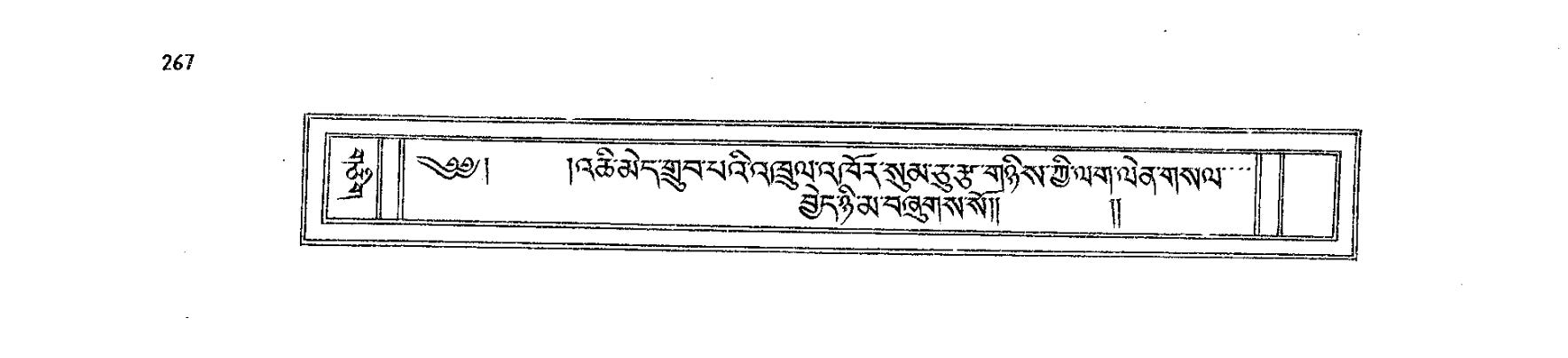
Title: The Sun that Clarifies the Practice of the Thirty-two Trülkhors of Amṛtasiddhi
I. Homage to the Amrtasiddhi’s lineage masters
བླ་མ་དམ་པའི་ཞབས་ལ་གུས་པས་ཕྱག་འཚལ་ལོ།
I respectfully prostrate at the feet of the excellent gurus.
Vajradhara
བདེ་ཆེན་རྒྱལ་པོ་ལྷུན་གྲུབ་འདུས་མ་བྱས།
ལོངས་སྤྱོད་རྫོགས་སྐུ་རྡོ་རྗེ་ཆང་ཆེན་དང།
[I bow to] the King of Great Bliss [who is] spontaneously present and unconditioned—the Sambhogakāya, the great Vajradhara.
Virūpa [Birwapa]
ནུས་པ་མཐར་ཕྱིན་རྟོགས་པ་མཆོག་གྱུར་པའི།
རྣལ་འབྱོར་དབང་ཕྱུག་དཔལ་ལྡན་བིརྺ་པ།
[I bow to] the glorious Yogīśvara Virūpa, [one who has] fully accomplished the yogic powers and is supremely realised.
Kṛṣṇa Vipra (Black Brahmin)
དངོས་གྲུབ་ཀུན་བརྙེས་ལུས་སེམས་འཆི་མེད་འགྱུར།
ཀུན་གྱིས་མཆོད་བསྟོད་བྲམ་ཟེ་ནག་པོ་དང།
[I bow to] the Kṛṣṇa Vipra, [who is] worshipped and praised by all, [who has] obtained all the siddhis, [whose] body [and] mind have become deathless.
Durtrö Nakpo (Black charnel ground dweller)
ཡིད་དམ་མཁའ་འགྲོས་བར་དོར་སངས་རྒྱ་བར།
།དངོས་སུ་ལུངས་བསྟན་དུར་ཁྲོད་ནག་པོ་དང།
[I bow to] the Black Charnel Ground Dweller, [who has been] directly prophesied by the ḍākinī [that he] will attain enlightenment in the bardo.
Latö Gonpo
བདེ་ཆེན་ཕྱག་རྒྱས་ཉོན་མོངས་རྩ་མདུད་བཀྲོལ།
ཟག་མེད་རབ་རྒྱས་ལ་སྟོད་མགོན་པོ་དང།
[I bow to] Latö Gonpo, who by the mudrā of great bliss released the channel-knots of the kleśas and [whose] stainless [wisdom] has fully flourished.
Sangye Nyentön (Rigongpa)
གང་ལ་ཐོགས་མེད་གནམ་ལྕགས་འབར་བ་ཡང།
མེ་ཏོག་རྒྱན་གྱུར་སངས་རྒྱས་གཉན་སྟོན་དང།
[I bow to] Sangye Nyentön, [for whom] even unhindered blazing meteoric iron becomes a ornament of flowers.
II. The Essence of the Topic
དུས་གསུམ་སངས་རྒྱས་བླ་མའི་ཞབས་པད་ལ་།
ལུས་ངག་ཡིད་གསུམ་དངས་ཞིང་གུས་བཏུད་ནས།
བརྗོད་བྱའི་སྙིང་པོ་ལུས་སེམས་འཆི་མེད་ཀྱི།
སངས་རྒྱས་ཚེ་འདིར་ངེས་པར་འགྲུབ་བྱེད་ཅིང།
At the lotus feet of the guru, the Buddha of the three times, with pure body, speech, and mind, I bow with devotion. The essence of the subject [of this composition] is the Amṛtasiddhi: the siddhi [attainment] of Buddhahood in this very lifetime through the amṛta [deathless state] of body and mind.
ཉེས་སྐྱོན་ཀུན་སེལ་ཡོན་ཏན་རབ་རྫོགས་པའི།
འཆི་མེད་གྲུབ་པའི་འཁྲུལ་འཁོར་བདུད་རྩི་འདི།
སློབ་མ་མཆོག་གིས་གསོལ་བ་བཏབ་པའི་ངོར།
དབྲི་བསྣན་མེད་པར་བླ་མའི་གསུང་བཞིན་བྲི།
This nectar of the trülkhor of Amṛtasiddhi, which removes impurities and defects (doṣamalaḥ) and is replete with excellent qualities, I have written according to the words of my teacher, without omission or addition, at the request of the most excellent disciples.
དེ་ལ་རྗེ་བཙུན་བིརྺ་པའི།
ཐུན་མོང་མ་ཡིན་གདམས་པའི་མཆོག།
For this, the venerable Virūpa’s supreme unique instruction [as stated in the Amṛtasiddhi root text]:
Quote from Amrtasiddhi root text
ཕྱག་རྒྱ་ཆེན་པོ་རྣམ་བཤད་པ།
རྒྱུད་རྣམས་ཀུན་ཏུ་སྦས་པའི་དོན།
མི་ནི་གང་གིས་ཐོད་པ་ཡི།
ལྷ་རྣམས་ཀུན་གྱིས་མཆོད་པར་འགྱུར།
སྐྱེ་བ་བྱེ་བ་སྟོང་དག་ཏུ།
ལེགས་ལས་རྒྱ་ཆེན་རྣམས་བྱས་པས།
དེ་ཐོས་འཁོར་བའི་རྒྱ་མཚོ་ལས།
ཕ་རོལ་དུ་ནི་རྣལ་འབྱོར་འགྲོ།
ཆོས་དང་ལོངས་སྤྱོད་སྤྲུལ་པ་དང།
བདེ་ཆེན་ཚེ་འདིར་ཐོབ་པར་འགྱུར།
གང་ཞིག་དད་དང་བརྩོན་འགྲུས་ལྡན།
བློ་ལྡན་དབང་རྫོགས་ལེགས་ཐོབ་ཅིང།
ཁྱད་པར་འདིར་ནི་དབང་དབང་ཐོབ་པས།
ལམ་འདི་ལ་ནི་འབད་པར་བྱ༎
This explanation of Mahāmudrā is the meaning [teaching] hidden entirely in all the [four sections of] tantras. A person who attains this [Amṛtasiddhi] will be worshipped by all the gods. Having performed vast excellent deeds over a thousand and ten million births, upon hearing this [teaching], the yogin crosses beyond the ocean of saṃsāra. In this very life, the dharmakāya, sambhogakāya, nirmāṇakāya, and great bliss will be attained. A person who possesses faith and diligence, is wise, and has received the complete [all the four] empowerments, especially having received the empowerment [of Amṛtasiddhi], should strive on this path [of Amṛtasiddhi practice].
III. Amrtasiddhi Trulkhors
འཆི་མེད་གྲུབ་པའི་འཁྲུལ་འཁོར་ལ་།
སྔོན་འགྲོ་རྩ་བ་ཡན་ལག་གོ།
Amṛtasiddhi’s [thirty-two] trülkhors consist of [one] preliminary, [twelve] main trülkhor, and [nineteen] secondary trülkhors.
1. Preliminary trülkhor (Jhita-Kharma)-1
འཁྲུལ་འཁོར་ཀུན་གྱི་སྔོན་འགྲོ་བའི།
རླུང་རེངས་འདུལ་བ་འདི་བཞིན་བྱ།
The preliminary practice for all trülkhors is the subduing of the rigid [stagnant] vital airs, which should be performed as follows.
ཕྱི་ནང་བདུད་རྩིའི་འཁྲུས་བྱས་ལ།
སྟན་ལ་གར་སྟབས་ལངས་བྱས་ནས།
གཡོན་པའི་བརླ་ལ་གཡས་པ་ཡི།
རྐང་པའི་མཐིལ་ནི་སྦྱར་བྱས་སྟེ།
དེ་བཞིན་གཡས་པ་ལ་འང་ཤེས་པར་བྱ།
Having performed the external (body) and internal ablutions with nectar [amṛta], stand upon the seat in a dancing pose. Join the sole of the right foot to the left thigh; likewise [when standing on the alternate leg], one should know that the] left foot is placed] on the right thigh.
ཞུན་ཆེན་འབྲུ་མར་ལ་སོགས་པ།
ལག་པའི་མཐིལ་དུ་བླུག་བྱས་ནས།
རླུང་གི་སྦྱོར་བ་ལེགས་ལྡན་པ།
སྤྱི་བོའི་གཙུགས་ནས་རྐང་མཐིལ་བར།
ལུས་ཀུན་ལ་ནི་ཁྱབ་པར་བྱུག།
[In that dancing pose], after pouring melted fats or grain oil, etc., into the palm of the hand, with the proper breathing technique [uniting the upper and lower air], apply them over the entire body, from the crown of the head to the soles of the feet.
རྩ་རྣམས་འདུས་པར་ནན་ཏན་བསྐྱེད།
ཤུགས་དང་ལྡན་པ་ཤིན་ཏུ་གཅེས།
རང་གི་ལུས་ཀུན་མ་ཁྱབ་ན།
ཕྱག་རྒྱ་ལ་སོགས་བྱུག་པར་བྱ།
Apply it thoroughly, [especially at the places where] the channels gather. It is very important to apply it with force. If the ointment does not reach the entire body (with your hands), let the spiritual consort [mudrā] and others apply it.
དེས་ནི་རླུང་རེངས་གཞིལ་བ་སྟེ།
ལུས་མཉེན་ཞིང་བལ་ལྟ་བུར་ཡང།
ཟས་རྣམས་འཇུ་ཞིང་དངས་སྙིགས་འབྱེད།
ལུས་ཀྱི་མདངས་གསལ་ཐིག་ལེ་འཕེལ།
རྩ་རླུང་ཐིག་ལེའི་ཟུག་རྣམས་སེལ།
བགེགས་རྣམས་ཐམས་ཅད་རང་དག་འགྱུར་།
This drives out [causing them to move to other channels] the rigid [stagnant] vital air. ]As a result,] the body becomes supple and light like wool. [It aids] the digestion of food and the separation of nutrients and waste. The lustre (ojas) of the body becomes clear and radiant, and the bindu increases. The illnesses of the nāḍīs, vāyus, and bindu are removed. All hindrances are naturally purified.
སྟོབས་ཀྱི་འཁྲུལ་འཁོར་འདི་ཡི་ནི།
སྟེང་དུ་ལྷའི་འཇིག་རྟེན་བསྐྲག།
རྐང་པ་འོག་ཏུ་བརྐྱང་པ་ཡི།
ཀླུ་རྣམས་ཀུན་ཀྱང་བསྐྲག་པར་བྱེད།
ལག་པ་བརྐྱང་བསྐུམ་འདི་ཡིས་ནི།
ཕྱོགས་བཞི་དག་ཀྱང་གཡོ་བར་བྱེད།
འདི་ནི་རྫ་ཧི་ཏེའི་སྐར་མའོ།
[When massaging the body in this dancing pose], this powerful trülkhor terrifies the realm of the gods above. Extending the legs downward frightens all the nāgas below. The bending and stretching of the arms shake the four quarters of the world. This [trülkhor] is [called] Jahite-karma.
II. Main Trulkhors—12
Four mudrās
དེ་ནས་རྩ་བའི་འཁྲུལ་འཁོར་བཤད།
ཨང་གྲོལ་ལས་ཀྱི་ཕྱག་རྒྱ་དང།
བེ་ཏ་ཆོས་ཀྱི་ཕྱག་རྒྱ་སྟེ།
བྷན་དྷ་དམ་ཚིག་ཕྱག་རྒྱ་དང།
ཕྱག་རྒྱ་ཆེ་དང་རྣམ་བཞིའོ།
Next, the main trülkhor is taught: 1. Am-grol, the karma-mudrā; 2. Vedha, the dharma-mudrā; 3. Bandha, the samaya-mudrā; and 4. Mahāmudrā. These are the four [main trülkhors].
Twelve main trülkhors
དེ་ལ་ཕྱི་ནང་གསང་གསུམ་སྟེ།
རེ་རེ་ལའང་བཞི་བཞིར་འདོད།
Each of these four main trülkhors has inner, outer, and secret forms. In each of these [three], the four mudrās are taught [thus making twelve].
(I) The four outer Mudras
དང་པོ་ཕྱིའི་འཁྲུལ་འཁོར་གྱིས།
First, the [four] outer [trülkhors] are explained.
1. Am-grol— karma-mudrā
ཨང་གྲོལ་ལས་ཀྱི་ཕྱག་རྒྱ་ནི།
བདེ་བའི་སྟན་ལ་སྒལ་ཚིགས་བསྲང།
གཡོན་པའི་རྟིང་པས་གཤང་ལ་དགག།
རྩ་བ་དམ་དུ་མནན་པར་བྱ།
རྩ་སྒོ་གཉིས་ནི་དམ་དུ་བསྡམ།
རྐང་གཡས་ཅུང་ཟད་བརྐྱང་བྱས་པས།
མཐེབ་ཆེན་ལག་པ་གཡས་ཀྱིས་བཟུང།
ཅུང་ཟད་གྱེན་དུ་བཀན་པར་བྱ།
ལག་པ་གཡོན་པས་བོལ་གོང་ནས།
བཟུང་ལ་རླུང་རོ་དྲག་ཏུ་འབུད།
ཁམས་འདུས་མི་འབྱུང་དགོས་པ་ཡོད།
གཡས་གཡོན་གཉིས་ནས་རླུང་རྔུབས་ནས།
དབུ་མའི་སྒོ་རུ་བཙུད་བྱས་པས།
ཞེན་པ་དང་ནི་གདུང་བ་སྤོང།
དགོས་པ་རྩ་གསུམ་དབང་དུ་སྡུད།
གསུམ་པོ་གཅིག་ཏུ་གྱུར་པ་ཡི།
ཕྱག་རྒྱ་ཆེན་པོ་གྲུབ་པར་འགྱུར།
དེ་ལྟར་འཁྲུལ་འཁོར་ཐམས་ཅད་ལ།
མཁས་པས་དབང་གིས་ཤེས་པར་བགྱི།
དེ་ནས་མགྲིན་པ་དགུག་བྱས་ལ།
སྟེང་འོག་རླུང་གཉིས་ཁ་སྦྱར་ནས།
ཡར་ལ་ཐེན་པ་དྲག་ཏུ་བསྡིག།
ཇི་སྲིད་ཐུབ་ཚད་བར་དུའོ།
ཉི་ཟླ་གཉིས་ནི་བཅག་པར་བྱ།
སྒོ་དགུ་དག་པའི་སྦྱོར་བའོ།
Seated upon a comfortable seat, straighten the spine. With the heel of the left foot block the anus, firmly pressing the root [of the penis], [thus] sealing both doors of the channels.
Having slightly extended the right leg, grasp the big toe with the [thumb, forefinger, and middle finger of the] right hand, and turn it slightly upward. With the left hand, hold [the right leg] from the upper foot [near the ankle]. [Then] forcefully expel [exhale] the residual harmful air, in order to prevent the gathering or adhering of [the air of the six] dhātus.
[Then,] inhale the air from the right and left [channels/nostrils], and insert it into the opening of the central channel [four inches below the navel]. This eliminates [delusional/kleśa] craving and pain [tapas]. The purpose is to conquer the three channels. When the three [channels] become one [the central channel], Mahāmudrā is accomplished. With all the Trulkhor practices, the wise should understand them through the mastery [of the breathing technique: forcefully blowing out the air, then inhaling through the side channels and inserting it into the central channel].
Then, having bent the throat [placing the chin on the chest], and united [sampuṭitam] the upper air [prāṇa vāyu] and the lower air [apāna vāyu], draw the air upward and [slowly but] forcefully thrust the air [downward towards the anus] for as long as one is able. This is known as breaking the [movement of the air of the] sun and moon [the right and left channels]. It is also known as the yoga of blocking the nine doors [of the body].
2. Vedha—Dharmamudrā
བེ་ཏ་ཆོས་ཀྱི་ཕྱག་རྒྱ་ནི།
ལུས་བསྒྱུར་རྐང་གཉིས་གཤིབས་པའི་བར།
སོར་ལྔ་དག་གི་ཚད་ཙམ་བཞག།
རྐང་པའི་བྲང་པ་སོར་མོ་རྣམས།
ས་ལ་སྙོམས་ཤིང་བརྟན་པར་གཟུགས།
ཐབས་དང་ཤེས་རབ་ཚུལ་གྱི་ནི།
ལག་པས་ལིང་ག་བསྡམ་པར་བྱ།
གཡོན་པས་གཡས་པའི་མཐེབ་ཆེན་མནན།
རྐང་ལག་བར་དུ་མཐོ་གསུམ་མོ།
དེ་ནས་མགོ་བོ་དགུག་བྱ་སྟེ།
ཡར་ལ་དལ་བུས་ཐེན་ནས་ནི།
འཕོངས་དང་བརླ་གཉིས་བྱིན་རྟིང་ལ།
བརྟན་པར་དྲག་ཏུ་བརྡབ་པར་བྱ།
ཇི་སྲིད་ཐུབ་ཚད་བར་དུ་སྤྲུག།
རླུང་གིས་རླུང་ནི་བཤིག་པར་བྱ།
རླུང་གིས་རླུང་ལ་བསྣུན་པར་བྱེད།
རླུང་གིས་རླུང་ནི་གསད་པར་བྱེད།
རླུང་གིས་ཡོངས་ལ་ཁྱབ་པ་ཡི།
རླུང་གིས་དངོས་གྲུབ་ཐམས་ཅད་འབྱིན།
རླུང་གིས་འཆི་བ་མེད་པར་འགྱུར།
དེས་ན་འཆི་མེད་གྲུབ་པ་ཞེས།
བིར་ཝ་པ་ཡིས་གསུངས་པ་ཡིན།
Having lowered the body [into a squatting position], place the feet next to each other, leaving a space of about five finger-breadths between them. Plant the balls of the feet and the toes firmly and evenly on the ground.
Bind the liṅga with the hands, symbolising the [right hand] method aspect and the [left hand] wisdom aspect, by pressing [squeezing] the right thumb with the left hand. [Then place the hands in this position on the ground], keeping a distance of one finger-span between the hands and the feet.
Then bend the head down [between the arms]. Slowly draw [the buttocks] upward, strike the buttocks and thighs firmly and forcefully on the heels and calves, and shake for as long as you are able.
The vital air breaks the vital air. The vital air pierces the vital air. The vital air kills the vital air.
As the vital air pervades everywhere, the vital air gives all the siddhis. The vital air makes one deathless.
Therefore it is called the attainment of deathlessness [Amrtasiddhi], so said Virūpa.
3. Bandha— Samayamudrā
བྷན་དྷ་དམ་ཚིག་ཕྱག་རྒྱ་ཡི།
རྐང་པའི་བར་དུ་ཁྲུ་གང་གཞལ།
ལག་གཉིས་རྐང་པའི་ནང་ནས་ཕྱིར།
འཁྱུད་པས་རྐང་པའི་མཐེབ་ཆེན་གཉིས།
ལག་པའི་གུང་མཛུབ་མཐེ་པོས་བཟུང།
ལངས་ནས་མགོ་བོ་དགུག་བྱ་སྟེ།
ལུས་པོ་དྲག་ཏུ་བཅུད་ལ་བོར།
བཤང་ལམ་འཁོར་ལོ་གྱེན་ལ་བཟློག།
རྩ་དང་ཐིག་ལེ་གྱེན་ལ་ཕྱོགས།
ནད་རྣམས་ཐམས་ཅད་བཅོམ་ནས་ནི།
ཕྱ་རྒྱ་ཆེན་པོའི་དོན་ཡང་རྫོགས།
ཇི་ལྟར་བར་སྣང་ནམ་མཁའ་ལ།
སྤྲིན་ཚོགས་འབར་བ་འཁྲིགས་པ་དེ།
རླུང་གི་ཤུགས་ཀྱིས་གཏོར་བ་ལྟར།
དེ་ལྟར་ལུས་འདི་དག་ཀྱང་ནི།
ནད་ཀྱིས་ཡོངས་སུ་གོས་གྱུར་ཀྱང།
ཐབས་ཀྱི་རླུང་གིས་གཞོམ་པར་བྱ།
Keeping a distance of one cubit between the legs, wrap the arms around the legs from the inside to the outside, and grasp the two big toes with the thumb, forefinger, and middle finger of each hand.
In a standing position, bend the head downward [directly towards the secret area/groin], twist the body vigorously.
Reverse the anal (secret) cakra upward [by drawing the lower air forcefully], causing the nāḍīs and bindus to align upward.
This will destroy all diseases and also [ultimately] fulfil the purpose of Mahāmudrā.
[For example], just as that mass of fiery clouds gathered together in the sky is dispersed by the force of the wind, in the same way, even if this body is completely taken over by disease, [the body’s] vital air, [through] the method [trülkhor], will destroy the disease.
4. Mahāmudrā
ཕྱག་རྒྱ་ཆེན་པོ་བསྟན་པ་ནི།
རྐང་པ་ཅུང་ཟད་བསྣོལ་བྱས་ནས།
སྒལ་ཚིགས་བསྲངས་ལ་ཚོག་བུ་བྱ།
ལག་གཉིས་པུས་མོའི་སྟེང་དུ་བསྣོལ།
མཐེབ་ཆེན་སྦོ་ཤ་གཡས་གཡོན་མནན།
རླུང་གི་[ནི་]བག་ཙམ་བཟུང་བར་བྱ།
དབང་པོ་ངལ་ཞིང་དུབ་པའི་ཚེ།
རྩེ་གཅིག་སེམས་ཀྱི་ངང་དུ་བཞག།
ཡིད་ལ་མི་བྱེད་ཕྱག་རྒྱ་ཆེ།
འདི་ཡི་སྟོབས་ཀྱིས་འབྱུང་བར་འགྱུར།
Now the Mahāmudrā is taught: Sit in a squatting position with your legs slightly crossed [with knees upright] and straighten the spine. Fold the two arms over the knees [holding the arms with opposite hands and] pressing the [channel of] arm muscles with the thumbs. Hold the air for a while. At the time of tiredness and weariness of the sense faculties, establish a one-pointed state of mind with no mental activities. Mahāmudrā will arise through the power of this [trülkhor].
Summary of the above four outer mudras
ཨཾ་གྲོལ་དགུ་ལ་བེ་ཏ་གསུམ།
བྷན་དྷ་གཅིག་ཏུ་ཤེས་པར་བྱ།
One should know [the distribution of the mudrās as]: nine Am-grol (three each), three Vedha (one each), and one Bandha [thus thirteen in total].
དེ་ལྟར་ཙེ་གཅིག་ཉམས་བླངས་པས།
རགས་པ་ཉོན་མོངས་རླུང་ཐུལ་ཏེ།
ལས་ཀྱི་རླུང་རྣམས་གསོད་པ་ཡིས།
ནད་གདོན་མི་ཚུགས་འཇོམས་པར་བྱེད།
ལུས་ཡང་མདངས་གསལ་ཟོ་མདོག་བདེ།
ཐིག་ལེ་འཕེལ་བས་ལུས་སྟོབས་རྒྱས།
ཕྲ་རླུང་རང་གནས་དག་པ་ཡིས།
ཡེས་ཤེས་རླུང་རྒྱས་ཟག་མེད་ཀྱི།
བདེ་བ་ཕྱོགས་མེད་རྒྱས་པར་འགྱུར།
Through practising single-pointedly in this manner, the vital air of gross kleśas will be subdued.
By killing the karmic air [with the vital air of primordial wisdom], one becomes resistant to disease and evil spirits and destroys them. The body becomes light, radiant, and of healthy complexion. The growth of the bindu increases physical strength.
By purifying the subtle air in its natural place, the vital air of primordial wisdom will grow, and untainted, boundless bliss will flourish.
ལུས་ནི་འཆི་མེད་ཉི་ཟླ་བཞིན།
སེམས་ནི་འཆི་མེད་ཕྱག་རྒྱ་ཆེ།
འདི་ལས་འབྱུང་གི་གཞན་གྱིས་མིན།
ལོ་ཟླས་བོགས་ཐོན་སངས་རྒྱ་བ།
མཚན་ལྡན་རྩ་ལས་རྟོགས་པར་བྱ་།
ཡང་ན་འོག་རླུང་གནད་ཀྱིས་སོ།
The body becomes deathless like the sun and the moon. The mind becomes deathless, the Mahāmudrā. It arises from this [trülkhors] and not by any other means. Through progress over months and years, one attains Buddhahood. One [who follows the path of desire, mudrā] should realise this from an authentic teacher. Or else [one who follows the path of liberation] should do so through the technique of [drawing] the lower air [upward by contracting and opening the anus].
འཆི་མེད་ལག་སྣེ་བཅུད་བསྡུས་པ།
རླུང་ཐེབས་བཅུ་གསུམ་གསད་པ་འདི།
བྲམ་ཟེ་ནག་པོའི་ཁྱད་ཆོས་ཏེ།
དེ་ཉིད་མཚན་ལྡན་ལྔ་བཅུར་བཅས།
ལུས་སེམས་འཆི་མེད་གྱུར་ནས་ཀྱང།
མཐར་ཐུགས་བདེ་སྟོང་དབྱེར་མེད་མཆོག།
དག་པ་མཁའ་སྤྱོད་གནས་སུ་གཤེགས།
དེ་རྣམས་ཕྱིའི་འཁྲུལ་འཁོར་རོ།
The quintessence of the Amṛtasiddhi practice, these thirteen series [nine Am-grol, three Vedha, and one Bandha] that kill the [karmic] air, is the speciality of Kṛṣṇa Vipra.
This siddha, together with the other fifty genuine siddhas, though their body and mind became deathless and they realised the supreme indivisibility of bliss and emptiness, departed to the pure celestial (mkha’ spyod) realm. These are the (four) outer trülkhors.
(II) Second, the four inner mudras
དེ་ནས་ནང་གི་འཁྲུལ་འཁོར་བཤད།
Next, the [four] inner trülkhors are explained.
1. Am-grol
ཨཾ་གྲོལ་སྐྱིལ་ཀྲུང་སྒལ་ཚིགས་བསྲང།
ལག་གཉིས་བསྣོལ་ལ་ངར་གདོང་ངམ།
ཡང་ན་བོལ་གོང་དག་ནས་བཟུང།
གོང་བཞིན་དྲག་ཏུ་བསྡིག་པར་བྱ།
(In inner) Am-grol, sit cross-legged and straighten the spine. Cross the arms and grasp the legs either at the shins or else at the upper feet [near the ankles with the opposite hands]. As before [in the outer Am-grol] thrust the air forcefully [downward].
2. Vedha
བེ་ཏ་ཆོས་ཀྱི་ཕྱག་རྒྱ་ནི།
རྐང་མཐིལ་གཉིས་གཤིབས་ས་ལ་བཞག།
པུས་མོ་ཙོག་པུ་ཅུང་ཟད་བྱ།
རྐང་པའི་བར་དུ་ལག་གཉིས་བརྐྱང།
མཐེབ་འཛུབ་རྐང་འཐེབ་གཉིས་བཟུང་ནས།
རྟིང་པ་སྤྲད་ནས་མ་བྲལ་བར།
འཕོངས་དང་རྟིང་པ་རེ་མོས་ཀྱིས།
ས་ནས་བཏེག་ལ་བརྡབ་པར་བྱ།
སྔགས་དང་ཕ་རོལ་ཕྱིན་པ་ཡི།
ལམ་མཆོག་ཆིག་རྫོགས་དག་ཏུ་འདོད།
དུར་ཁྲོད་ནག་པོའི་མུ་དྲ་ཡིས།
དེ་ཉིད་གཅིག་པུ་ཉམས་བླངས་པས།
ལུས་སེམས་འཆི་མེད་གྱུར་ནས་ཀྱང།
སློབ་མའི་ཚོགས་བཅས་མཁའ་ལ་གཤེགས།
དུས་དེར་བཅུ་གསུམ་ས་ཐོབ་འགྱུར།
Bring the soles of the feet close together, placing the heels on the ground with the heels touching each other. With the knees slightly upright, extend both arms between the legs and grasp the [corresponding] big toes with the thumb, forefinger, [and the middle finger]. Keeping the heels together without letting them separate, lift the buttocks and the heels one after the other from the ground and strike them [against the ground].
(This is) considered to be the unified supreme path of (both) Mantra[yāna] and Pāramitā[yāna]. Dhurtroe Nagpo, by practising this mudrā alone, although his body and mind became deathless, departed for the celestial realm together with the assembly of students. At that time he attained the thirteenth bhūmi.
3 Bandha
བྷན་དྷ་དམ་ཚིག་ཕྱག་རྒྱ་ནི།
ལངས་ལ་རྐང་གཡོན་གཡས་པས་མནན།
ཅུང་ཟད་བསྣོལ་ལ་རྐང་མཐིལ་གཉིས།
ས་ལ་མཉམ་བཞག་བརྟན་བྱས་ནས།
རོ་སྟོད་གླང་ཆེན་སྣ་ལྟར་དགུག།
ལག་གཉིས་བསྣོལ་ལ་རྐང་པ་ཡི།
མཐེབ་ཆེན་གཉིས་པོ་བཟུང་བྱས་ནས།
འོག་རླུང་དྲག་ཏུ་བསྐུམ་ལ་གདོན།
Stand up and cross the legs slightly, pressing the right leg against the left. Place the soles of the feet evenly and firmly on the ground. Bend the upper body down like an elephant’s trunk. Cross the arms and hold both big toes [with the opposite hands]. Forcefully draw the lower air upward.
4. Mahamudra
ཕྱག་རྒྱ་ཆེ་ལ་སྒལ་ཚིགས་བསྲང།
སྐྱིལ་ཀྲུང་ལྟེ་འོག་མཉམ་བཞག་གི།
ཕྱག་རྒྱ་ངང་པའི་གཤོགས་པ་ལྟར།
དཔུང་པ་གཉིས་ནི་བརྐྱང་བྱས་ནས།
རླུང་ནི་བག་ཙམ་བཟུང་བྱས་ཏེ།
ཡིད་ལ་མི་བྱེད་ངང་ལ་བཞག།
ནང་གི་ཕྱག་རྒྱ་རྣམས་བཞིའོ།
During Mahāmudrā, straighten the spine. Sit cross-legged and place the hands in dhyāna mudrā below the navel. Extend both shoulders like the wings of a swan, hold the air for a while, and remain in a state of non-mentation. These are the four inner mudrās.
(III) Third, the four secret mudras
དེ་ནས་གསང་བ་བཤད་པར་བྱ།
Next, the [four] secret [trülkhors] are explained.
1. Am-grol
ཨཾ་གྲོལ་སྐྱིལ་ཀྲུང་ལུས་བསྲངས་ནས།
ལག་གཉིས་བརྐྱང་ལ་རྒྱབ་ཏུ་བསྣོལ།
གཡོན་པའི་སྟེང་དུ་གཡས་བཤག་སྟེ།
གོང་བཞིན་དྲག་ཏུ་བརྡིགས་པར་བྱ།
[During secret] Am-grol, sit cross-legged and straighten the body. Extend both arms and fold them behind the back, placing the right [hand] over the left [palm], and follow the [breathing technique] as before [in the outer and inner Am-grol].
2. Vedha
བེ་ཏ་ཆོས་ཀྱི་ཕྱག་རྒྱ་ནི།
ཕྱི་དང་ལུས་གནད་འདྲ་བ་ལས།
ཅུང་ཟད་ཐེན་ཞིང་ཆུང་ངུ་བརྡབ།
དེ་ཡང་དལ་ཞིང་བརྟན་པར་བྱ།
The body posture is similar to the outer [Vedha]. [However here,] lift [the buttocks] slightly and strike them lightly. This should be done slowly and steadily.
3. Bandha
བྷན་དྷ་དམ་ཚིག་ཕྱག་རྒྱ་ནི།
སྐྱིལ་ཀྲུང་ས་གནོན་ཕྱག་རྒྱ་བྱ།
རོ་སྟོད་གཡས་གཡོན་དྲག་ཏུ་བཅུད།
ཨོག་མས་བྲང་རུས་ནོན་པོ་གཅེས།
Assume [the legs in a] cross-legged posture and [the hands in] an earth-pressing mudrā [bhūmisparśa-mudrā]. Twist the upper body forcefully to the right and left. It is important to press the chin firmly against the chest bone.
4. Mahamudra
དེར་རྗེས་ཕྱག་རྒྱ་ཆེན་པོ་ནི།
ལུས་བསྲང་རྡོ་རྗེ་སྐྱིལ་ཀྲུང་བྱ།
པུས་མོའི་སྟེང་དུ་ལག་པ་གཉིས།
མཆོག་སྦྱིན་ཕྱག་རྒྱ་ཅུང་ཟད་བཀན།
དམིགས་མེད་རང་ཤར་ཕྱག་རྒྱ་ཆེ།
ཡིད་ལ་མི་བྱེད་དོན་རྟོགས་འགྱུར༎
གསང་བའི་ཕྱག་རྒྱ་རྣམ་བཞིར་འདོད།
Straighten the body and sit in a vajra cross-legged posture. [Extend both] hands over the knees and form the mudrā of supreme generosity [varada-mudrā, with the forefinger and thumb touching], slightly turned [upwards]. Mahāmudrā, self-arising and objectless [anālambana, without support of the mind], will be realised through non-mentation [amanaskāra].
Summary of the outer, inner and the secret mudras (main trulkhor)
ཕྱི་ནང་གསང་གསུམ་འཁྲུལ་འཁོར་ལ།
རླུང་རོ་དྲག་ཏུ་འབུད་པར་བྱ།
རླུང་གསུམ་རྔུབས་ནས་འོག་རླུང་བསྡམ།
ཀུན་གྱི་གནད་དུ་ཤེས་པར་བྱ།
ཁྱད་པར་ཨང་གྲོལ་རྣམ་གསུམ་ལ།
སྒལ་ཚིགས་དྲང་པོར་བསྲངས་བྱས་ནས།
རྒྱ་མཚོ་རི་རབ་ངོས་ལ་སྦྱོར།
ཨོག་མས་བྲང་རུས་ནོན་བྱས་ནས།
དལ་ལ་དྲག་ཏུ་བསྡིག་པར་བྱ།
ཚངས་པའི་གནས་ནི་གཡོ་བར་འགྱུར།
When performing [the above-mentioned] outer, inner, and secret trülkhors, the following [breathing technique] is the crucial point: forcefully expel the residual harmful air [stale air], inhale the air three times, and bind or restrain the lower air.
Especially during the three forms of Am-grol (outer, inner, and secret Am-grol), straighten the spine fully, join [draw] the ocean [belly] to the Meru [spine], press the chin against the chest bone, and thrust [the air downward] slowly yet forcefully. This will shake the abode of Brahmā [the crown of the head].
III. Secondary Trulkhors (Nineteen)
དེ་ནས་ཡན་ལག་འཁྲུལ་འཁོར་རྣམས།
ལེགས་པར་བཤད་ཀྱིས་གུས་པས་བཟུང།
Next, the secondary trülkhors are explained. Receive them with respect.
1. Saṃpuṭa Yoga (mūlabandha)—the upward reversal of the bindu
ཁ་སྦྱོར་སེམས་དཔའི་སྐྱིལ་ཀྲུང་ལ།
ཨང་གྲོལ་བཞིན་དུ་དྲག་ཏུ་བསྡིག།
དེས་ནི་ཀུ་ད་རྒྱས་པར་འགྱུར།
བཤང་ལམ་འཁོར་ལོ་གྱེན་དུ་བཟློག།
ཐིག་ལེ་སྒྲ་གཅན་གྱེན་དུ་བསླང།
རྩ་རྣམས་ཐམས་ཅད་རབ་ཏུ་གཡོ།
མཆོག་གི་རྩ་ནི་གྱེན་དུའོ།
ལུས་ངག་ཡིད་གསུམ་སྦྱོར་བ་ཡི།
སྐུ་གསུང་ཐུགས་ནི་སྒྲུབ་པ་ཡིན།
གོམ་པ་བརྟན་པར་གྱུར་པ་ཡིས།
རང་གི་མེ་ནི་གསལ་བའོ།
ཕྱག་རྒྱ་འདི་ཡིས་ཐམས་ཅད་དུ།
རྣལ་འབྱོར་པ་ནི་ངེས་པར་འགྲོ།
འདི་ནི་ཁ་སྦྱོར་སྦྱོར་བ་སྟེ།
རྩ་བའི་སྡོམ་པ་འདོད་པའོ།
འདི་ནི་རླུང་གི་སྦྱོར་བ་ཡིན།
མཁས་པ་རྣམས་ཀྱིས་འདི་བསྒྲུབ་བོ།
In the Saṃpuṭa Yoga, sit in a sattva cross-legged posture, and as in [outer] Am-grol, thrust [the air] forcefully [downward]. This will [help] in the growth of Kun-da [bindu]. Reverse the anal chakra upward [by drawing the lower air upward and drawing the belly toward the spine]. This will draw the bindu upward [through the channel of] Rāhu. [As the lower channels empty and the bindus move into the upward channels], all the channels will vibrate intensely. [As the] supreme channel [Avadhūtī, the central channel, is filled with bindu], bliss will spread upward.
Through the application of [intense effort] of body, speech [breath], and mind, one attains the (siddhis of) body, speech, and mind [as a result of bliss spreading in the body]. When one’s practice becomes firm, one’s fire [of primordial wisdom] illuminates [the bliss-bindu]. Through [the bliss of] this mudrā, the yogin will certainly travel to the celestial realms [khecara]. This is Saṃpuṭa Yoga. It is proclaimed as the Root Lock [mūlabandha]. This is a breathing yoga. The wise one accomplish this practice.
2. Spreading the white Bindu
ཐིག་ལེ་དཀར་བ་དགྲམ་པ་ནི།
རྡོ་རྗེ་སྐྱིལ་ཀྲུང་སྒལ་ཚིགས་བསྲང།
སྤྱི་བོའི་གཙུག་ནས་རྐང་མཐིལ་བར།
ལག་པ་གཉིས་ཀྱིས་བསྲུབ་ཅིང་མཉེ།
རྗེས་ལ་རོ་སྟོད་དྲག་ཏུ་སྤྲུག།
རྩ་རྣམས་ཐིག་ལེས་ཁྱབ་པར་འགྱུར།
རླུང་སྦྱོར་ལྡན་པས་རླུང་དང་བསྲེ།
ཡེ་ཤེས་ཆེན་པོར་བསྐྱལ་བར་བྱ།
[After the reversal of the bindu upward] Spreading the white bindu: Sit in vajra cross-legged posture and straighten the spine. Rub and massage the body with both hands from the crown of the head to the soles of the feet. Afterwards, shake the upper body vigorously. The channels will be suffused with the [white] bindu. Through the breathing technique, mix or unite [the bindu] with the vāyu and [which will] lead to great primordial wisdom.
3. Spreading the Red Bindu
ཐིག་ལེ་དམར་བ་དགྲམ་པ་ནི།
སྐྱིལ་ཀྲུང་གང་བདེ་སྒལ་ཚིགས་བསྲངས།
ལག་གཉིས་ཁུ་ཚུར་རྐེད་པ་བརྡུང།
མདུན་དུ་ལག་གཉིས་དྲག་ཏུ་སྤྲུག།
བརྡུང་དང་སྤྲུག་པ་རེ་མོས་བྱ།
རྗེས་ལ་རོ་སྟོད་དྲག་ཏུ་སྤྲུག།
ཆོད་དང་ཁྲེམས་པ་དུས་ཅིག་འབྱུང།
དཀར་དམར་ཆ་སྙོམས་ལུས་ལ་ཁྲེམས།
བཅུ་གསུམ་ས་མཆོག་ཐོབ་པར་འགྱུར།
Spreading the red bindu: Sit [either in vajra or sattva] cross-legged in whatever posture is comfortable, and straighten the spine. Make fists with both hands and strike the waist (base of the spine). Then shake both arms vigorously in front [with the fingers stretched out]. [next] strike [with one hand at the back] and shake the other hand [at the front, doing this] alternately [with the right and left hands]. Afterwards, shake the upper body vigorously.This will cut off [nosebleed] while spreading the red bindu at the same time, and one will attain the supreme thirteenth bhūmi [of Vajradhara].
4-7. Four Head Trulkhors
མགོ་བོའི་འཁྲུལ་འཁོར་རྣམ་བཞི་ནི།
རྡོ་རྗེ་སྐྱིལ་ཀྲུང་ས་གནོན་མཐུན།
The four trülkhors of the head [are explained]. The [legs in] vajra cross-legged posture and the [hands in] earth-pressing mudrā are the common posture [for all four head trülkhors].
(i) Head
དང་པོ་ལག་གཉིས་མགོ་བོ་དང།
བྱད་དང་ལྟག་པ་བསྲུབ་ཅིང་མཉེ།
མགོ་ནད་སྐྲ་དཀར་སྙེར་མ་སེལ།
མགོ་བོའི་རྩ་མདུད་གྲོལ་བར་བྱེད།
First [head trülkhor]: Rub and massage the head, face, and [hollow] at the nape of the neck with both hands. This removes headaches, grey hair, and wrinkles, and releases the channel-knots of the head.
(ii) Eyes
གཉིས་པ་མིག་གི་འཁྲུལ་འཁོར་ནི།
སྡང་མིག་བལྟ་ཞིང་དྲག་ཏུ་བགྲད།
གཡས་གཡོན་སྟེང་འོག་ཀུན་ཏུ་བལྟ།
དྲག་ཏུ་བསྐོར་ཞིང་ལག་མཐིལ་བསུབ།
མིག་ནད་སེལ་ཞིང་རྩ་མདུད་གྲོལ།
ཆུ་བུར་རབ་རིབ་དག་ནས་ནི།
ཡེ་ཤེས་སྤྱན་དང་ལྡན་པར་འགྱུར།
Second, the eye trülkhor: Stare fiercely with the eyes wide open. Look left and right, upward and downward in all directions. Rotate the eyes vigorously and rub them with the palms of the hands. This removes eye diseases and releases the channel-knots. It clears watery eyes and dimness of vision, and one becomes endowed with the eye of wisdom.
(iii) Throat
གསུམ་པ་ལག་གཉིས་ས་གནོན་བྱ།
ཕྱོགས་བཞིར་གཡོ་ཞིང་དྲག་ཏུ་བསྐོར།
རྗེས་ལ་ལག་མཐིལ་མིག་བསྡམས་ནས།
སྟེང་རླུང་དྲག་ཏུ་བསྡམས་བྱས་པས།
མགོ་རླུང་ཟི་དང་འཐོམ་པ་དང།
མགྲིན་པའི་ནད་སེལ་རྩ་མདུད་གྲོལ།
གསུང་དབྱངས་དྲུག་ཅུ་ཐོབ་པར་འགྱུར།
Third [throat trülkhor]: Place the hands in the earth-pressing mudrā and move [the head and fingers] in the four directions (all around). Afterwards, cover [press] the eyes with the palms of the hands and firmly restrain the upper air. This will clear away grogginess and confusion [caused by] the air in the head, as well as ailments of the throat. It releases the throat’s channel-knots and one will acquire the sixty melodic qualities of the voice.
(iv) Neck
བཞི་པ་ས་གནོན་ཕྱག་རྒྱ་ལ།
མདུན་དང་གཡས་གཡོན་རྩངས་པ་ཡིས།
རླུང་རྔུབ་མགོ་ལྟར་གསུམ་གསུམ་བྱ།
རྒྱབ་ཏུ་སྐྱེད་སྐྱེད་ལན་གསུམ་མོ།
སྐེ་ཡི་ནད་སེལ་རྩ་མདུད་བགྲོལ།
Fourth [neck trülkhor]: Place the hands in the earth-pressing mudrā. Inhale the air and move the head like a lizard to the front, left, and right, three times each, and extend [the neck] backward three times. This will clear away ailments of the neck and release the channel-knots.
8-10. Three trulkhors of Upper Body
རོ་སྟོད་འཁྲུལ་འཁོར་རྣམ་གསུམ་ནི།
སེམས་དཔའི་སྐྱིལ་ཀྲུང་བྱ་བ་མཐུན།
The three trülkhors of the upper body are as follows: the sattva cross-legged posture is common [to all three].
(i) Upper body twist
དང་པོ་ས་གནོན་ཕྱག་རྒྱ་བྱ།
གཡས་ནས་གཡོན་དུ་དྲག་ཏུ་འཐེན།
གཡོན་ནས་གཡས་སུའང་དེ་བཞིན་ནོ།
གཡས་གཡོན་གསུམ་གསུམ་སྐྱེད་ཅིང་གདེང།
First [trülkhor of the upper body]: Place the hands in the earth-pressing mudrā [over the knees]. [Then] pull [twist the upper body] forcefully from right to left, and likewise from left to right. Do this three times to the right and three times to the left.
(ii) Upper claw-fight
གཉིས་པ་སྟོད་ཀྱི་སྡེར་འཛིངས་ནི།
གུང་མོ་གཉིས་བརྐྱང་གཞན་རྣམས་བསྣོལ།
ལག་པ་དྲག་ཏུ་བརྐྱང་བྱས་ནས།
ནུ་མ་གཡས་གཡོན་དེ་ཡི་དབུས།
གསུམ་གསུམ་ལན་དགུ་བརྡེག་པར་བྱ།
Second, the upper claw-fight: Extend the middle fingers and interlock the remaining fingers. Stretch the arms forcefully forward and strike the chest at the right, left, and centre of the breasts, three times each, for a total of nine strikes.
(iii) Lower claw-fight
གསུམ་པ་སྨད་ཀྱི་སྡེར་འཛིངས་ནི།
ལག་པ་བསྐུམ་ལ་དྲག་ཏུ་བརྐྱང།
པུས་མོ་གཡས་གཡོན་དེ་ཡི་དབུས།
གསུམ་གསུམ་ལན་དགུ་བཅུ་ཞིང་བརྡེག།
Third, the lower claw-fight: [With the same hand position] bend the hands and then extend them forcefully. Strike and press the knees at the right, left, and in the middle between them, three times each, for a total of nine times.
Benefits
དེ་གསུམ་སྟོད་ཀྱི་རྩ་མདུད་གྲོལ།
རོ་སྟོད་ནད་རྣམས་སེལ་བར་བྱེད།
ཁྱད་པར་སྙིང་རླུང་ལ་སོགས་པའི།
ཁམས་འདུས་ཐམས་ཅད་འདི་ཡིས་སེལ།
རླུང་ནི་དྲག་ཏུ་འབུད་པ་གཅེས།
These three trülkhors release the channel-knots of the upper body. They remove ailments of the upper body. In particular, they clear disorders of air in the heart [chest]. This completely clears the accumulation of bodily elements [in a specific place]. Therefore, it is important to blow out the residual harmful air [from the channels through the nose].
11-14 Four trulkhors of Arms
ལག་པའི་འཁྲུལ་འཁོར་རྣམ་བཞི་ནི།
རྡོ་རྗེ་སྐྱིལ་ཀྲུང་སྒལ་ཚིགས་བསྲང།
The four trülkhors of the arms are as follows: the vajra cross-legged posture is common [to all four].
(i) Shoulders
དང་པོ་དཔུང་པ་གཡས་གཡོན་གཉིས།
རེས་མོས་ཕྱི་དང་ནང་དུ་བསྐོར།
དེ་ནས་གཡས་གཡོན་ཕྱི་ནང་དུ།
དུས་ཅིག་དྲག་ཏུ་བསྐོར་བར་བྱ།
སོག་པའི་ནད་སེལ་རྩ་མདུད་གྲོལ།
First [shoulder trülkhor]: Rotate the right and left shoulders clockwise and counter-clockwise (like a stick), one shoulder at a time. Then forcefully rotate both shoulders clockwise and counter-clockwise at the same time. This clears away ailments of the shoulder-blade area and releases the channel-knots.
(ii) Arms
གཉིས་པ་ལག་གཉིས་རེ་མོས་ཀྱིས།
རྡོ་རྗེ་ཁུ་ཚུར་བཅངས་བྱས་ནས།
ཚུར་བསྐུམ་ཕར་ལ་དྲག་ཏུ་བརྐྱང།
Second [arm trülkhor]: Form vajra fists with both hands. Bend the arms inward and then stretch them out forcefully, alternating one after the other.
(iii) Hands
གསུམ་པ་ལག་གཉིས་སོར་མོ་རྣམས།
ཚུར་བསྐུམ་ཕར་ལ་བརྐྱང་བྱས་ནས།
དུས་ཅིད་དྲག་ཏུ་སྤྲུག་པར་བྱ།
Third [hand trülkhor]: Curl the fingers of both hands inward and then stretch them out. Then shake the fingers [of both hands together] vigorously at the same time.Third, curl the fingers of both hands and stretch them out. Then shake the fingers all at once.
(iv) Extended Arm Gaze
བཞི་པ་ལག་གཡས་བརྐྱང་ནས་ནི།
མགོ་བོ་དཔུང་པ་དག་ལ་སྦྱར།
སོར་ལྔ་དྲག་ཏུ་བརྐྱང་བྱས་ནས།
མིག་གཉིས་དྲག་ཏུ་གཏད་པ་གཅེས།
དེ་བཞིན་གཡོན་ལའང་ཤེས་པར་བྱ།
Fourth: Extend the right arm and bring the head to the (left) shoulder. Stretch out the five fingers of the right hand with strength and fix the eyes intensely [upon them]. The same should be done with the left arm.
Benefits
 ལག་པའི་ནད་སེལ་རྩ་མདུད་འགྲོལ།
དྲ་བས་འབྲེལ་ཞིང་འཁོར་ལོ་འབྱུང།
It removes ailments of the arms and releases the channel-knots. The net-like network of [channels] connects and forms the nāḍī-chakras.
15-17 Abdomen Trulkhor
ཕོ་བའི་འཁྲུལ་འཁོར་རྣམ་གསུམ་ནི།
The three abdominal trülkhors are:
(i) Abdominal Massage
དང་པོ་སུ་ར་དགང་པ་ཡི།
ཡན་ལག་འདི་ལྟར་ཤེས་པར་བྱ།
རྐང་གཉིས་གཤིབས་ནས་དྲང་པོར་ལངས།
ལག་མཐིལ་གཉིས་ཀྱིས་ཕོ་བ་དང།
བསུས་པ་དྲག་ཏུ་བསུག་ཅིང་མཉེ།
First [trülkhor]: One should understand the sura [pūraka]-filling in the air, an ancillary [breathing practice]. Stand upright with the feet together. Rub and massage the belly firmly with the palms of both hands.
(ii) Abdominal trulkhor
གཉིས་པ་ཕོ་བའི་འཁྲུལ་འཁོར་ནི།
སྐྱིལ་ཀྲུང་ས་གནོན་སྒལ་ཚིགས་བསྲང།
རྒྱ་མཚོ་རི་རབ་ངོས་ལ་སྦྱར།
གཡས་གཡོན་བསྐོར་ཞིང་དྲག་ཏུ་སྤྲུག།
Second, the abdominal trülkhor: Sit in a cross-legged posture, straighten the spine, and form the earth-pressing mudrā [over the knees]. Draw the ocean (belly) toward Mount Meru (the spine), then rotate the belly to the left and right and stir it vigorously.
(iii) Abdomen Strike
གསུམ་པ་སྐྱིལ་ཀྲུང་སྒལ་ཚིགས་བསྲང།
ལག་གཉིས་སོར་མོ་ཕྱིར་བསྣོལ་ཏེ།
སྤྱི་བོར་བཏེག་ནས་ཕོ་བ་ལ།
ལག་མཐིལ་གཉིས་པོ་དྲག་ཏུ་བརྡེག།
རླུང་གིས་དགང་པ་ཤིན་ཏུ་གཅེས།
Third [trülkhor]: Sit cross-legged and straighten the spine. Interlace the fingers with the palms facing outward and raise them to the crown of the head, then strike the belly forcefully with both palms. Filling in the air (pūraka/dgang ba can breathing technique) is very important.
Benefits
འཁྲུལ་འཁོར་དེ་གསུམ་ཕོ་བ་ཡི།
རྩ་མདུད་གྲོལ་ཞིང་ནད་རྣམས་སེལ།
ཁྱད་པར་ཕོ་གླང་ལ་སོགས་པའི།
མ་ཞུའི་ནད་རྣམས་སེལ་བར་འགྱུར།
These three stomach trülkhors release the channel-knots of the abdomen and clear away stomach ailments, especially spasm in the belly and others. They also remove indigestion.
18-19 Legs
རྐང་པའི་འཁྲུལ་འཁོར་རྣམ་གཉིས་ལ།
The two leg trülkhors are:
(i) Shaking legs#
དང་པོ་ལངས་ལ་རྐང་པ་གཉིས།
རེ་མོས་དྲག་ཏུ་སྤྲུག་པར་བྱ།
First [trülkhor]: Stand up and shake the legs vigorously, one after the other.
(ii) Stretching
གཉིས་པ་སྟན་ལ་འདུག་བྱས་ནས།
རྐང་གཉིས་རེ་མོས་དྲག་ཏུ་བརྐྱང།
མཐེ་བོང་བསྐུམ་པ་ཤིན་ཏུ་གཅེས།
Second [trülkhor]: Sit on the seat and stretch both legs forcefully, one after the other. It is important to curl the big toes inward.
Benefits
རྐང་པའི་ནད་སེལ་རྩ་མདུད་གྲོལ།
འཁོར་ལོའི་མཚན་དང་རུས་སྦལ་ཞབས།
ཆུ་དང་མཁའ་ལ་བྱ་བཞིན་འགྱུར།
These remove ailments of the legs and release the channel-knots. One will acquire the major marks of the Buddha’s feet, such as the wheel mark and tortoise-like feet. One will move like a bird on water and in the sky.
Closing Summary
དེ་ལྟར་སྔོན་འགྲོ་རྩ་བ་དང།
ཡན་ལག་བཅས་པའི་འཁྲུལ་འཁོར་།
དང་པོ་སེམས་བསྐྱེད་གསོལ་བཏབ་ནས།
རླུང་རོ་དྲག་ཏུ་ཕྱིར་ཕུད་ཏེ།
འཁྲུལ་འཁོར་བཅས་ལ་སྲོག་རྩོལ་དང།
དབུ་མར་དྲག་རྔུབ་འོག་རླུང་བསྡམ།
སྟེང་འོག་རླུང་གཉིས་ཁ་སྦྱར་ནས།
དལ་ལ་སྙོམས་ཤིང་དྲག་པ་གཅེས།
ཀུན་གྱི་གནད་དུ་ཤེས་པར་བྱ།
དེ་རྣམས་རྗེ་བཙུན་བིརྺ་པའི།
ཀུན་ལས་ཁྱད་འཕགས་གདམས་པའོ།
Thus, with regard to the preliminary, main, and secondary trülkhor practices of the Amṛtasiddhi, first generate bodhicitta and then make a supplication. Then forcefully expel the residual air [stale air]. Draw the air through the right and left channels [srog rtsol] into the central channel, restrain the lower air, and unite the upper and lower airs. It is important to do this slowly, evenly, and with strength. One should understand that this is the crucial point of all the trülkhors. This is the most unique teaching of the venerable Virūpa, superior to all others.
གང་གིས་འཆི་མེད་འཁྲུལ་འཁོར་འདི།
བརྩོན་འགྲུས་དྲག་པོས་ཉམས་བླངས་ན།
བཞི་བརྒྱ་རྩ་བཞིའི་ནད་རྣམས་སེལ།
ལས་ངན་འབྱུང་པོའི་གདོན་ཚོགས་འཇོམས།
རྒ་ཤིས་ཟིལ་གྱི་མི་ནོན་ཅིང།
སྐྲ་དཀར་གཉེར་མ་མི་འབྱུང་སྟེ།
ཤ་འཁྲེགས་ལུས་ཡང་དབང་པོ་རྣོ།
ལྟ་བའི་མི་ངོམས་གཟི་བརྗིད་ཆེ།
མཚན་ལྡན་ལྔ་བརྒྱ་བརྟེན་འགྱུར་ཀྱང།
འདོད་པའི་ཞགས་པས་མི་འཆིང་ཞིང།
བཅུ་དྲུག་ལོན་པ་ལྟ་བུར་འགྱུར།
Whoever practises this Amṛtasiddhi trülkhor with great diligence will remove the four hundred and twenty-four diseases. It will destroy bad karma and the hosts of harmful spirits. Old age and death will not overpower them. Grey hair and wrinkles will not appear. It will bring strong muscles, a light body, and sharp sense faculties. Their appearance will be majestic and never tiresome to behold. Even if they are surrounded by five hundred [mudrā-women] endowed with marks [of beauty], they will not be bound by the noose of desire. One’s body will become like that of a sixteen-year-old youth.
སེང་གེ་རྩལ་དང་གླང་ཆེན་སྟོབས།
རྟ་མཆོག་བང་དང་མཉམ་པ་དང།
ས་དང་མཁའ་ལ་བྱ་བཞིན་འགྲོ།
ཉོན་མོངས་རྩ་མདུད་གྲོལ་གྱུར་ནས།
རྩ་རྣམས་དབུ་མར་ཐིམ་པར་འགྱུར།
ལས་ཀྱི་རླུང་རྣམས་དག་ནས་ནི།
ཡེ་ཤེས་ཆེན་པོའི་རླུང་དུ་འགྱུར།
ཟག་བཅས་ཐིག་ལེ་དག་གྱུར་ནས།
ཟག་མེད་ཡེ་ཤེས་རྒྱས་པར་འགྱུར།
[Practising these trülkhors], one will achieve the prowess of a lion, the strength of an elephant, and the speed of an excellent horse. One will be able to move on the earth and in the sky like a bird. When the channel-knots of afflictions are released, the channels (right and left) will merge into the central channel. When the karmic air is purified, it will be transformed into the air of great primordial wisdom. When the defiled bindu is purified, the stainless primordial wisdom will flourish.
ལུས་ནི་འོད་ལུས་འཆི་བ་མེད།
སེམས་ནི་འཆི་མེད་ཕྱག་རྒྱ་ཆེ།
འདི་ལས་འབྱུང་བས་བིར་ཝ་པས།
འཆི་མེད་འཁྲུལ་འཁོར་ཞེས་སུ་གསུངས།
The body is a body of light and is deathless. The mind is the deathless [amṛta] Mahāmudrā. Since this arises from these [practices], Virūpa called it the Deathless Trülkhor [Amṛta Trülkhor].
Conclusion
ཁྱད་འཕགས་འཆི་མེད་འཁྲུལ་འཁོར་འདི།
སྣོད་ལྡན་སློབ་མ་རྣམ་གཉིས་ཀྱིས།
པཱུ་ཇ་རྒྱ་རྩ་མན་དལ་འཕུལ།
ཉམས་ལེན་ལོ་གསུམ་དམ་བཅས་ནས།
ལུས་སྲོག་འཕུལ་ནས་གསོལ་བཏབ་ངོར།
ལྷག་ཆད་མེད་པར་ཡི་གེར་བཀོད།
དེ་ལ་མཁའ་འགྲོས་བཟོད་པར་མཛོད།
དགེ་དེས་རྡོ་རྗེ་འཛིན་ཐོབ་ཤོག།
This extraordinary Amṛtasiddhi trülkhor was written down without omission or addition in accordance with the request of two worthy disciples who made one hundred and eight pūjā and maṇḍala offerings and who took a vow of three years’ practice by offering their bodies and lives. For this, ḍākinīs, I request your forbearance. Through this merit, may beings attain [state of] Vajradhara.
Colophon
རྗེ་བཙུན་བིརྺ་པས་མཛད་པའི་འཆི་མེད་གྲུབ་པའི་འཁྲུལ་འཁོར་སུམ་ཅུ་རྩ་གཉིས་ཀྱི་ལག་ལེན་གསལ་བྱེད་ཉི་མ་ཞེས་བྱ་བ་བླ་མའི་ཕྱག་ལེན་ལྟར་ཥ་ཀྱའི་དགེ་སློང་རྡོ་རྗེ་འཛིན་པ་བིར་ཡ་སིམ་ཧས་ལྷག་ཆད་མེད་པར་ཡི་གེར་བཀོད་པ་འདི་ཡོངས་སུ་རྫོགས་སོ།
Thus completes The Sun that Clarifies the Practice of the Thirty-two Amṛtasiddhi Trülkhors Composed by the Venerable Virūpa, written down without omission or addition according to the practice tradition of the [earlier] gurus, by the Śākya monk and Vajra-holder Virya Siṃha.
Translator’s Note
I. ཨཾ་གྲོལ་ Aṃ-grol
Etymology:
The Haṭhayogic Mahāmudrā technique is referred to by the Shangpa masters as Aṃ-grol, rather than Mahāmudrā, and corresponds to the Karma-mudrā. By reading Tāranātha’s instructions and commentaries on the Amṛtasiddhi trülkhor practice of the Shangpa tradition, we may gain insight into the meaning of the term Aṃ-grol.
The syllable Aṃ refers to the navel syllable ཨཾ (Aṃ). In other Vajrayāna completion-stage traditions (rdzogs rim), the syllable Aṃ signifies the tummo, although the Amṛtasiddhi itself does not explicitly mention tummo. The Tibetan word grol means liberation. Thus Aṃ-grol may be understood as the liberation of the syllable Aṃ.
The following excerpt from Tāranātha’s text explains the inner principle of the Aṃ-grol (Haṭhayogic Mahāmudrā) practice, and shows that the Aṃ in Aṃ-grol refers to the navel syllable Aṃ.
ལྟེ་བའི་ཨཾ་ཡིག་འབར་བའི་མེ།
ལུགས་(ལུས་)རྣམ་ཐམས་ཅད་ཁྱབ་པ་ལས།
གཏུན་བརྡུང་བྱས་པའི་མེ་ལྕེ་རྣམས།
ཐུར་དུ་བབ་པར་བསྒོམ་པར་བྱ།
མེ་ལྕེ་གསང་བའི་སྒོ་རུ་ཐོན།
ལྟེ་གསང་གཉིས་ལ་སེམས་གཏོད་ཅིང།
མིག་ནི་སྣ་རྩེར་བལྟའ་བར་བྱ།
ལས་ཀྱི་ཕྱག་རྒྱའི་མན་ངག་ཡིན།
The fire of the navel’s Aṃ syllable
Spreads throughout the entire body.
As you thrust down the vāyu like pounding with a pestle,
Meditate on the flame descending downward
And emerging through the secret lower gate.
Focus the mind on the navel and the perineum,
And the gaze upon the tip of the nose.
This is the secret instruction of the Karma-mudrā.
Breathing technique:
The breathing technique in the Aṃ-grol (Haṭhayogic Mahāmudrā) practice described in this text is somewhat difficult to understand. However, by reading Tāranātha’s instructions, it becomes clearer that the upper air and the lower air are united, then drawn upward and thrust downward. In the following instruction, it is said that the air should be thrust downward using the inner yogic technique described as pounding like a pestle.
རྟིང་པ་ཕྱོགས་གཅིག་གིས་འོག་སྒོ་གཉིས་ཀྱི་བར་བསྡམ། གཅིག་གི་སྟེང་ནས་མནན་ཏེ་ཅུང་ཟད་སྒུར་བ་ཡིན། ལག་གཉིས་གཅིག་གིས་རྐང་རྩེ་དང་གཅིག་གིས་བོལ་གོང་ནས་བཟུང་བ་ཡིན། རླུང་བཤང་སྒོ་བཙུམ་སྟེ་འོག་རླུང་ལྟེ་བར་དྲངས། དེ་ལ་སྟེང་རླུང་ཁ་སྦྱར་ཏེ་གཡས་གཡོན་དབུས་གསུམ་གྱིས་གཏུན་རྡུང་དྲག་ཏུ་བྱེད་པ་ཡིན།
With one heel, bind the space between the anus and the genitals, pressing the heel down from above [with the weight of the body] while remaining slightly bent forward. [With the other leg extended], grasp the tip of the foot with one hand and the upper part of the foot with the other. Contract the anus to draw the lower vāyu upward to the navel, and there unite the lower and upper vāyus. Then perform the inner yogic technique of pounding like a pestle, [thrusting the air downward] forcefully from the left, right, and middle.
II. Similarities between the Shangpa Amṛtasiddhi Thirty-two Trülkhors and Trülkhor Systems from Other Kagyü Traditions
I have found some similarities between a particular trülkhor practice from the Cakrasaṃvara Hearing Lineage and the present text. Both contain systems of main trülkhors and secondary trülkhors. The Amṛtasiddhi trülkhor system contains four main trülkhors: Am-grol, Bandha, Vedha, and Mahāmudrā, which are further classified into twelve forms. These four main trülkhors, especially Am-grol, Bandha, and Vedha, and their terminology are distinctive features of Virūpa’s Amṛtasiddhi tradition.
The particular trülkhor text from the Cakrasaṃvara Hearing Lineage contains six main trülkhors. Three of them are, quite surprisingly, very similar to the Vedha (mahāvedha) and Bandha (mahābandha) practices found in the Shangpa tradition’s Amṛtasiddhi trülkhor system. I discussed this in a previous post. Click here to read: Three Trülkhor from the Cakrasaṃvara Hearing Lineage: Parallels with the Shangpa Amṛtasiddhi Trülkhor.
The secondary trülkhors in the Amṛtasiddhi thirty-two trülkhor system such as the trülkhors of the head, neck, upper torso, arms, legs, and abdomen are quite similar to trülkhor practices found in other Tibetan traditions. In particular, they resemble the thirty-nine secondary trülkhors found in the Cakrasaṃvara lineage. They also show similarities with trülkhor practices preserved in the Drukpa Kagyü tradition. For a translation of that material, see my earlier post: The Profound Yogic Path: Trülkhor Practice.
For example, the upper-body trülkhors preserved in the Cakrasaṃvara Hearing Lineage show notable structural similarities with the upper body trülkhors described in the Amṛtasiddhi thirty-two trülkhor system. In both systems, the practices involve strong twisting of the upper torso, and the other one stretching of the arms, and striking the hands in same position on the chest region. The benefit of these trulkhors are also stated: releasing the channel-knots of the upper body.
།སྟོད་ཀྱི་འཁྲུལ་འཁོར་རྣམ་བཞི་ལ། །སྐར་མདའ་བསྣོལ་བ་ལག་པ་གཉིས། །དཔུང་གཉིས་འཇུས་ལ་གཡས་གཡོན་གཅུད། རི་རབ་གཅར་ལ་ལག་པ་གཉིས། །རྡོ་རྗེ་བསྡམས་ལ་རྩེ་གཅིག་བསྒྲེང༌། །ནུ་མ་གཡས་གཡོན་རྐན་ལ་བརྡབ། །བྲང་གི་དཀྱིལ་དུ་ལན་གཅིག་བརྡབ།
III. Saṃpuṭa Yoga [mūlabandha]
Saṃpuṭa Yoga (kha sbyor sbyor ba) here is basically a form of bandha. Interestingly, the Amṛtasiddhi calls it specifically as mūlabandha [root lock]. The following lines appear in both the Sanskrit Amṛtasiddhi (edited and translated by James Mallinson) and the Tibetan Amṛtasiddhi text.
Sanskrit text:
ayaṃ ca saṃpuṭo yogo mūlabandho ‘pyayaṃ mataḥ
This is Saṃpuṭa Yoga. It is also taught as the Root Lock (mūlabandhaḥ).
Tibetan text:
འདི་ནི་ཁ་སྦྱོར་སྦྱོར་བ་སྟེ་།་རྩ་བའི་སྡོམ་པར་[བསྡམ་པ་]འདོད་པའོ།
This is Saṃpuṭa Yoga. It is proclaim as Root Lock.
In this practice, the practitioner reverses the anal chakra upward by forcefully drawing the lower air upward while drawing the belly inward toward the spine. Through this, the bindu flows upward and bliss spreads throughout the body. The wording here is noteworthy. Instead of the expression “root lock” (rtsa ba’i bsdams pa), the text uses rtsa ba’i sdom pa, which literally means “root vow” or “principal vow.” This suggests an interpretive nuance: through this practice the practitioner [a monk] prevents the fall of bindu (or semen) and thereby protects the vow. In this sense, the practice functions not only as a physical lock but also as a method for maintaining the root vow.
The Sanskrit name Kṛṣṇa Vipra (“Black Brahmin”) is recorded in the writings of the Fourth Zhamar, who also held the transmission of Virūpa’s Amṛtasiddhi teachings.