
The Twelve Essential Physical Yoga Practices of Ṣaḍaṅga Yoga for Prāṇāyāma and Dhāraṇā

Notes and Context
These twelve trülkhors (physical yoga practices) are known as gnad sbyong bcu gnyis and are associated with the Jonang tradition of the Kālacakra Tantra’s Ṣaḍaṅga Yoga (Six-Limbed Yoga). The commentary explains that gnad here means “essential” or “vitally important”, while sbyong ba refers to removing or clearing problems of the body and channels, such as stiffness and contraction. Accordingly, I have translated gnad sbyong bcu gnyis as The Twelve Essential Body and Channel-Clearing Trülkhors.
In the Kālacakra Tantra’s Ṣaḍaṅga Yoga tradition, the prāṇāyāma and dhāraṇā limbs are concerned primarily with the control of the breath and the vāyus mainly through kumbhaka. The practice of bindu belongs chiefly to the subsequent limb of anusmṛti (rjes dran], which has its own set of trülkhors. In prāṇāyāma, the movement of the prāṇa-vāyu (srog ‘dzin) through the solar and lunar side channels is stopped and directed into the central channel. In dhāraṇā, the prāṇa-vāyu is restrained (bcings pa) within the bindu inside the central channel.
These twelve trülkhors are prescribed for yogins training in the prāṇāyāma and dhāraṇā stages of Ṣaḍaṅga Yoga. According to the commentary, their purpose is to make the muscles and channels of the body supple, straighten twisted channels, stretch contracted channels, and loosen and release knots within the channels. Through this process, agitated and scattered airs (vāyu) are subdued. By preparing both the channels and the winds in this way, these practices facilitate the entry of the vāyu into the central channel and its retention there. The text further states that, when these trülkhors are practised daily together with the proper application of kumbhaka [the union of the upper and lower winds], they remove long-standing diseases, prevent the arising of new ones, and support progress in yogic realisation.
These twelve trülkhors are performed primarily in seated, standing, and reclining (supine) positions. Five trülkhors (1, 2, 6, 7, and 11) are performed in a seated position, four (3, 4, 8, and 10) in a standing position, and three (5, 9, and 12) in a reclining (supine) position.
In this translation, I have not focused on the specific breathing techniques that accompany these practices. The text attributes the first five trülkhors to the long lineage of Vibhūticandra. Trülkhors eight, nine, ten, and eleven are presented as the secret instructions of the Kashmiri master Somanātha, while the twelfth trülkhor is said to be a secret instruction transmitted by Dpyal Lotsāwa from Śākyaśrī.
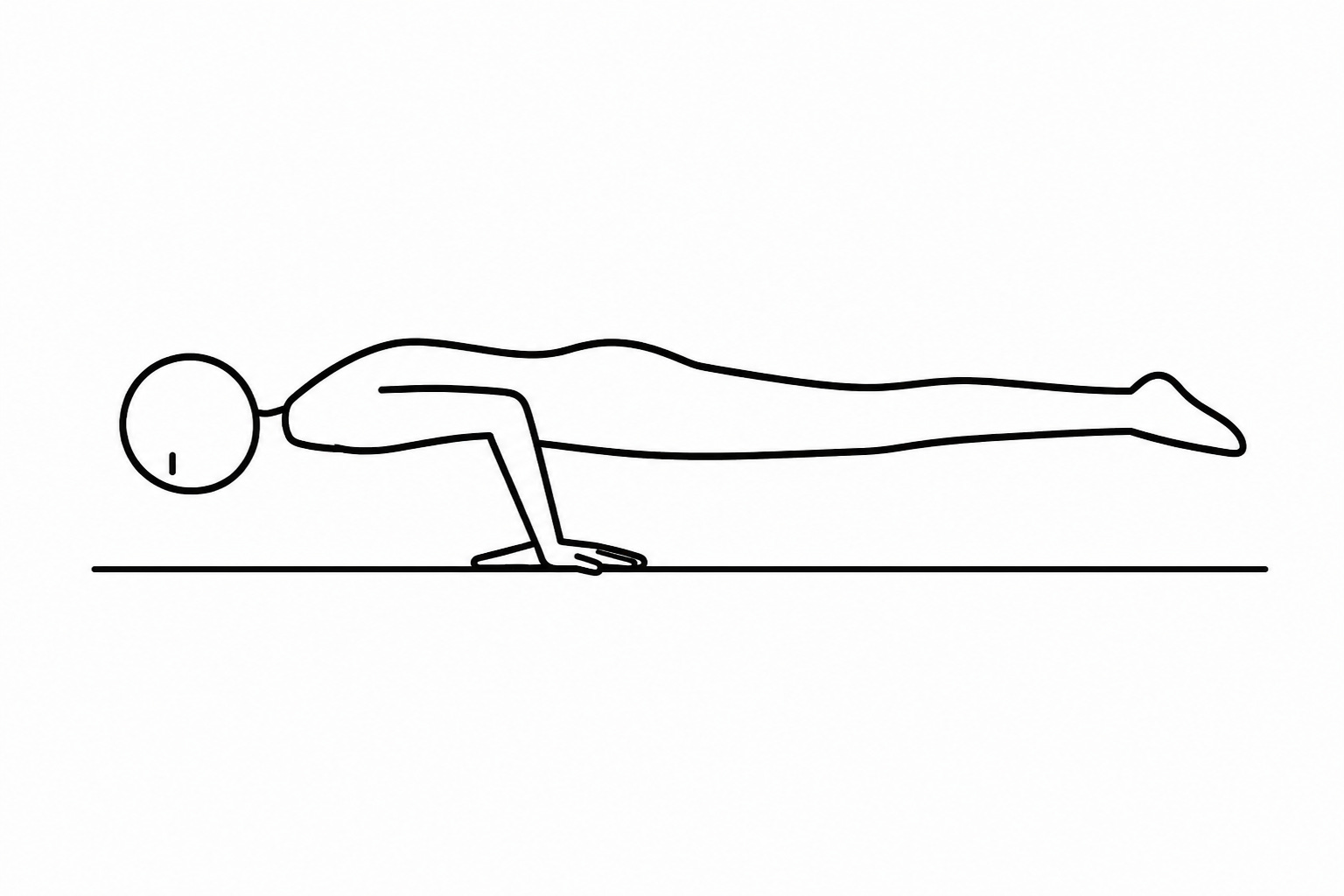
This collection of trülkhors also contains yogic postures that resemble several well-known āsanas of Brahmanical Haṭhayoga. It may illustrate how such postures were employed not as independent static āsanas, but as components of dynamic Vajrayāna yogic practices. In the first trülkhor, the yogi lifts the body while maintaining the vajra cross-legged posture, much like Tolāsana, before striking the crossed legs against the ground. In the second trülkhor, the yogi passes the arms through the crossed legs and lifts the body in a manner resembling Kukkuṭāsana. The sixth trülkhor employs Baddhapadmāsana, while the seventh incorporates Dvipādaśīrṣāsana, from which the practitioner rolls back onto the back before returning to the seated position. In the eighth trülkhor, the yogi balances the body on the hands, with the abdomen supported on the elbows and the body held straight, resembling Mayūrāsana. These correspondences should not be understood as implying direct equivalence between the two traditions, but they provide an interesting point of comparison for the historical study of Indian and Tibetan yoga.[I have used the corresponding Sanskrit names of these āsanas because they are widely recognised by modern readers]
The Tibetan text presented here is taken from Tāranātha’s trülkhor instructions on Ṣaḍaṅga Yoga, while the English translation has been prepared with the aid of the accompanying commentary.
Note: These translations are provided for historical and academic study. They are not intended as practical instructions for physical practice. The English translation presented here has not been published elsewhere.
The Twelve Essential Body and Channel-Clearing Trülkhors of Ṣaḍaṅga Yoga
I.
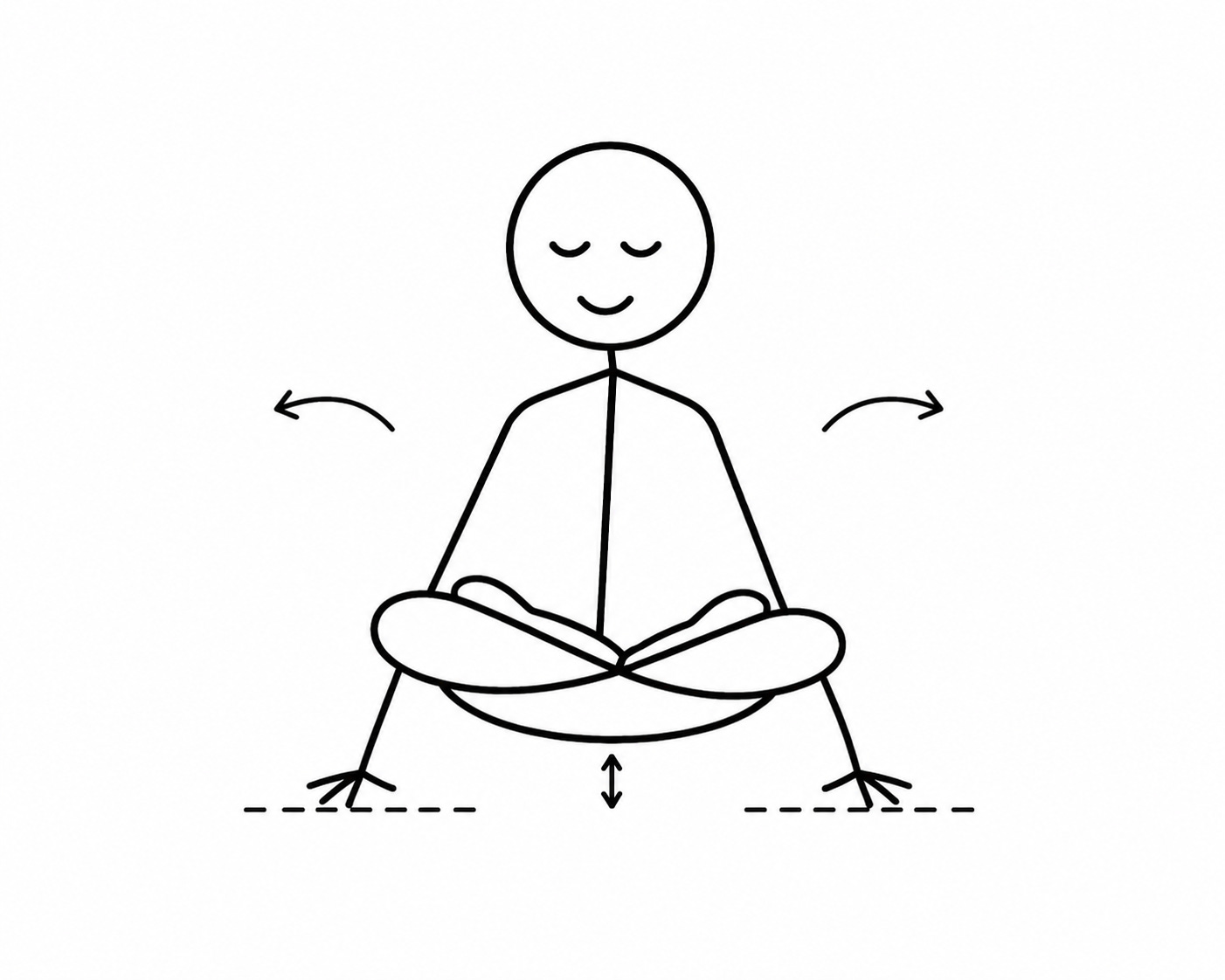
རྡོ་རྗེའི་སྐྱིལ་ཀྲུང་བཅའ། ཁུ་ཚུར་འཕོང་ཚོས་གཡས་གཡོན་ཐད་ཀྱི་ས་ལ་བཙུགས། ལུས་བཏེག་སྟེ་རྡོ་རྗེ་སྐྱིལ་ཀྲུང་གཡས་གཡོན་དུ་གཅུད་ཅིང་བརྡེབ་པ་ནི་དང་པོའོ།།
Assume a vajra cross-legged posture. Place the hands on the ground to the right and left of the buttocks. Then lift the body, [supporting its weight on the arms,] and while maintaining the vajra cross-legged posture, twist [the trunk] to the right and left, and strike [the buttocks and folded legs] against the ground.
II.
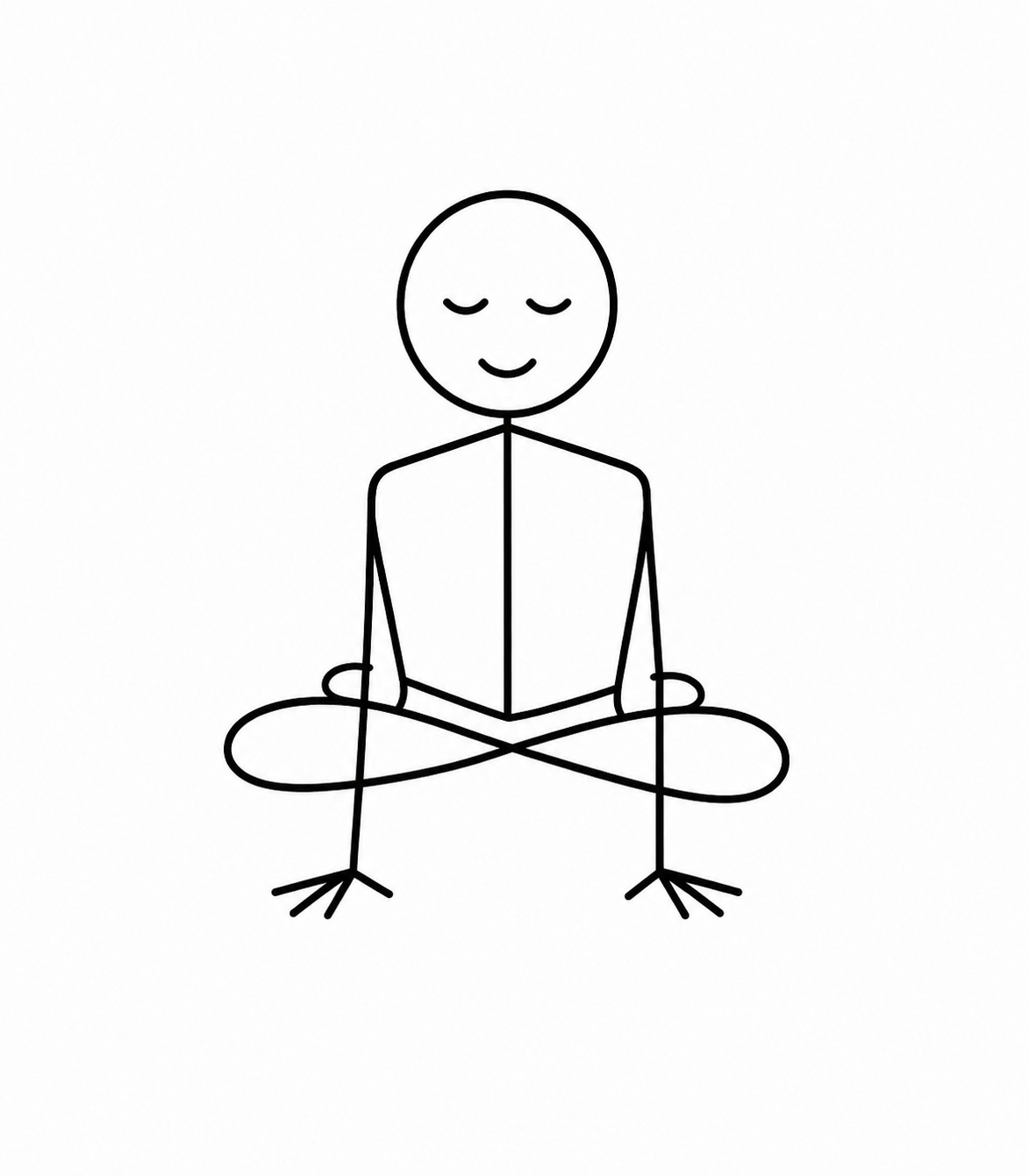
རྡོ་རྗེ་སྐྱིལ་ཀྲུང་གི་སྒྱིད་ཁུང་ནས་ལག་པ་བཏང༌། ཁུ་ཚུར་ས་ལ་བཙུགས། སྐྱིལ་ཀྲུང་བཏེག་ཅིང་བརྡེབ་པ་ནི་གཉིས་པའོ།
Pass the arms through the knee-pits of the vajra cross-legged posture and plant the hands on the ground. Then lift the crossed legs and strike them against the ground.
III.
།རྐང་པའི་མཐེ་བོང་ངམ། བྱིན་པ་ནས་ལག་པས་བཟུང༌། ལངས་ཤིང་འཆུན་དང་བཅས་པས་འཕོང་དང་བཅས་པ་ས་ལ་བརྡེབ་པ་ནི་གསུམ་པའོ།
[From a standing position,] grasp both calves firmly with both hands so that they do not slip. Keeping hold of the calves, lift both feet from the ground in a hopping motion,] then strike the buttocks and legs against the ground.
IV.
།ལངས་ཏེ་རྟིང་འཁྲབ་བྱས། ཁུ་ཚུར་དཔྱངས་ཕྲག་བརྡེབ། ཡང་མདུན་ཐད་དུ་ཁུ་ཚུར་བརྐྱངས་ལན་གསུམ་བྱ་སྟེ་བཞི་པའོ།
In a standing position, perform rting 'khrab and dpyang phrag brdeb.
[1. rTing 'khrab (Heel-Striking): Place both feet evenly on the ground and position the hands at the junction of the thighs and hips. Then, with a quick hopping movement, lift both heels and strike them against the ground. Repeat this three times.
2. Khu tshur dpyang phrag brdeb [Beating arms against ribs]: From the hips, draw both hands upward. Strike the ribs with the elbows and the inner sides of the arms. Then extend both arms straight forward with the fists facing upward. Next, draw the fists back with the fists facing downward, striking the ribs again with the inner sides of the arms. Repeat this three times.]
V.
།རྒྱབ་གཞུང་ས་ལ་བཙུགས་ཏེ། ལག་པ་གཡས་གཡོན་ཁུ་ཚུར་བཅངས་ནས་བརྐྱང་བསྐུམ་བྱེད་ཅིང༌། ལག་པ་བརྐྱང་བ་དང་ལྷན་ཅིག་རྐང་མཐིལ་ལ་སོགས་ལ་དྲག་ཏུ་བརྡེབ་པ་ནི་ལྔ་པའོ།
Plant the spine on the ground [lie on your back]. Draw in your limbs [bringing the knees over the abdomen and crossing the arms over the chest]. As you stretch both arms out to the sides, simultaneously extend both legs, striking the soles of the feet forcefully against a wall.
VI.
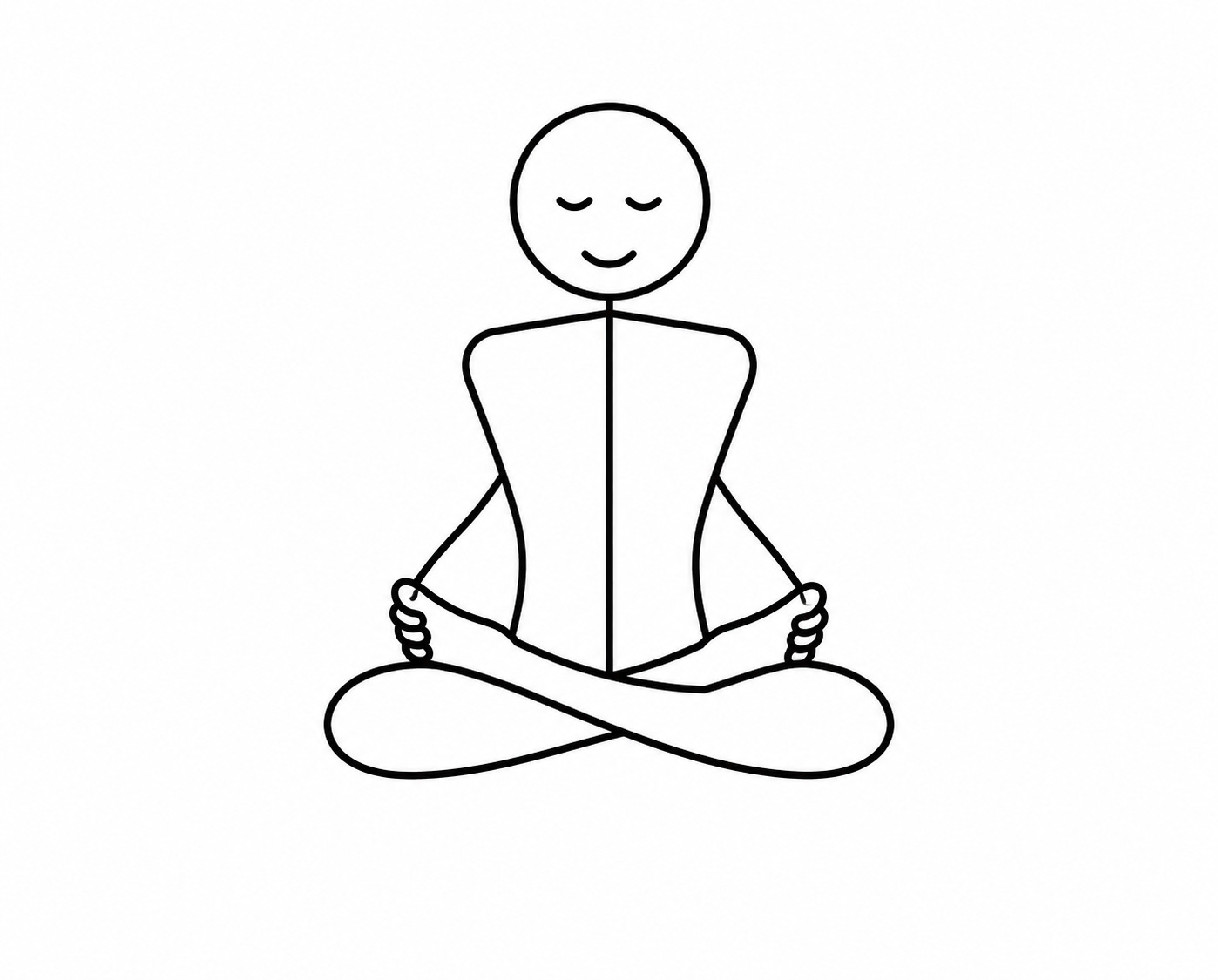
།ལག་པ་གཉིས་རྒྱབ་ནས་བསྣོལ་ཏེ། རྡོ་རྗེ་སྐྱིལ་ཀྲུང་གི་མཐེ་བོང་གཡས་གཡོན་ནས་འཐེན། ལུས་སྐྱེད་ཅིང་སྲུབས་ལ། ཐོག་མར་འཕོང་བཙུགས་ཏེ་སྐྱིལ་ཀྲུང་བརྡེབ། དེ་ནས་སྐྱིལ་ཀྲུང་བཙུགས་ལ་འཕོང་བརྡེབ་སྟེ་དྲུག་པའོ།
Assume a vajra cross-legged posture [with both feet placed on the thighs]. Cross the arms behind the back and grasp the right big toe with the right hand and the left big toe with the left hand. Then, [without releasing the big toes,] with the buttocks resting on the ground, lift the front of the crossed legs and strike them against the ground. Next, with the front of the crossed legs planted on the ground, lift the buttocks and strike them against the ground.
VII.
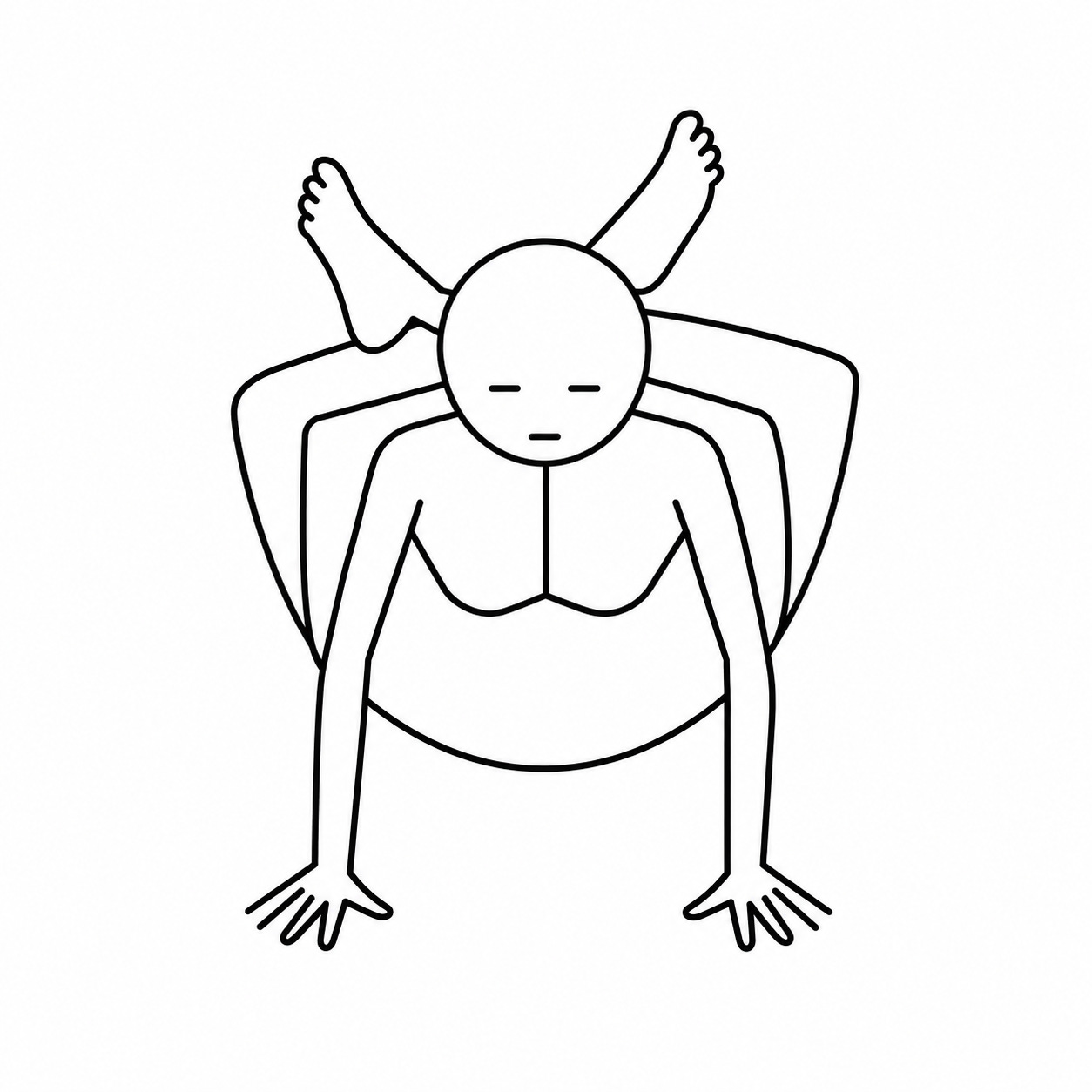
།རྐང་པ་གཉིས་དཔུང་པའི་རྒྱབ་ངོས་ནས་ལྟག་པར་བསྣོལ། ལག་པ་གཉིས་བརླའི་རྩ་བ་ནས་མདུན་དུ་ཁུ་ཚུར་བཅངས་པ་རླུང་ཁ་སྦྱོར་གཡས་གཡོན་དུ་འཆུན་དང་བཅས་པས། རྒྱབ་ས་ལ་སྐྱུར་ཐབས་སུ་འབེབས་ཤིང༌། ཡང་གཡས་གཡོན་དུ་གཅུད་ནས་ལངས་ཏེ། བདུན་པའོ།
Pass both legs behind the shoulders and cross them behind the back of the neck. With the buttocks planted on the ground and the points of the elbows resting at the roots of the thighs, place the hands on the ground in front. Roll back onto your back. Then, twisting the body to the right and left, rise up [returning to the original position].
VIII.
ལངས་ཏེ་འདོམ་འཇལ་གྱི་མཐར་ཁུ་ཚུར་གཤིབས་ཏེ་ས་ལ་བཙུགས། ལག་ངར་གཤིབས་ཏེ་བསྲངས། གྲུ་མོའི་སྟེང་དུ་ཕོ་བ་བཀལ། རྐང་པ་བརྐྱངས་ལུས་བཏེག་སྟེ་རླུང་ཕོ་བར་སྒྲིལ། མགོ་རྐང་རེ་མོས་སུ་ས་ལ་རེག་པར་ བྱ་སྟེ་བརྒྱད་པའོ།
From a standing position, bring the hands together and plant them on the ground. Bring both forearms together and straighten them [like pillars]. Rest the abdomen on the elbows. Extend both legs straight behind [like arrows] and lift the entire body [so that it is held level like a balance]. Then alternately touch the head and the feet to the ground.
IX.
།སྒལ་ཚིགས་ས་ལ་བཙུགས་ཤིང༌། རྐང་ལག་བཞི་ནམ་མཁར་མཉམ་དུ་འཕང་ཞིང༌། ཧ་ཞེས་དྲག་ཏུ་འདོན་པ་ལན་དགུའི་བར་དུ་བྱེད་པ་ནི་དགུ་པའོ།
Plant the spine on the ground [lie on your back with all four limbs drawn in]. Then simultaneously throw all four limbs into the air while forcefully uttering "Ha!" Draw all four limbs back in again, then throw them up once more. Repeat this nine times, beginning slowly and gradually increasing the speed.
X.
།རྐང་པ་ཟླུམ་པོའི་སྟབས་ཀྱིས་ལངས། མཐེ་བོང་སྟ་ཟུར་གྱི་རྒྱབ་དང༌། སོར་མོ་བཞིས་མཁལ་མའི་མདུན་འོག་ནས་བརྡེག་རླུང་ཕྱིར་བུས་ཏེ། སྟོད་སྨད་ཆབ་གཅིག་ཏུ་གཡས་གཡོན་དུ་གཅུད་པ་ནི་བཅུ་པའོ།
Stand in a maṇḍalapadam stance [a high squatting posture with the toes turned outward, the feet a moderate distance apart, and the knees slightly bent]. Place the thumbs against the back [at the kidney region] and the four fingers on the front of the kidney region. Expel the breath fully and, while holding the breath out, twist the entire upper and lower body first to the right and then to the left.
XI.
།རྡོ་རྗེ་སྐྱིལ་ཀྲུང་རྐང་མགོ་གཡས་གཡོན་བརླའི་ཕྱི་རོལ་ཏུ་ཐོན་པར་བྱ། རྡོ་རྗེ་བསྡམས་པའི་མཐེ་བོང་གཉིས་སོ་སོར་ཕྲལ་པའི་ངང་གིས་གཡས་གཡོན་དུ་སྐ་རགས་འཆིང་ཚུལ་བྱེད་ཅིང་ལུས་ཡོངས་རྫོགས་གཡས་གཡོན་དུ་ལན་གསུམ་བསྐོར། ལག་པ་གཡས་གཡོན་གཉིས་མདུན་རྒྱབ་གང་རུང་དུ་བསྣོལ་ནས་རྐང་མགོ་ལ་འཇུས། ལྟག་པ་སྐྱེད་དེ་གཡས་གཡོན་ལུས་མར་སྲུབས་པ་ནི་བཅུ་གཅིག་པའོ།
Assume a vajra cross-legged posture [full lotus], ensuring that the toes extend beyond the thighs. Form a vajra hand-lock [palms joined together with the fingers interlocked], with the thumbs extended upward, and hold it at the centre in front of the body. Then move the hand-lock in the manner of fastening a belt, circling it as far as the right hip. At the same time, rotate the entire body to the right. Return the vajra hand-lock to the centre and straighten the body. Repeat this movement three times to the right. Then, beginning again from the centre, move the vajra hand-lock towards the left in the manner of fastening a belt, while simultaneously rotating the entire body to the left. Repeat this movement three times to the left. Then cross the arms behind the back and grasp the right foot with the right hand and the left foot with the left hand. Then bend the neck, trunk, and abdomen forward, pressing downward. Repeat this three times.
XII.
དང་པོར་སྙིང་གར་འཁྱུད་རྒྱ་བྱས་ལ་ཁུ་ཚུར་གཡས་གཡོན་དུ་སྤེལ་བ་གཅུད། སྟེང་གི་རླུང་གཡས་གཡོན་དུ་གནོད་འཐེན་བྱ་ དེ་ནས་གན་སྐྱལ་དུ་འདུག་ལ་རྐང་པ་ཉྭ་བཞི་བསྒྲིམས་ཏེ་བརྐྱང་བསྐུམ་དལ་བུས་ཤུགས་བསྐྱེད་དེ་བྱེད་ཅིང༌། བརྐྱང་པའི་ཚེ་ཐུར་སེལ་གློད། བསྐུམ་པའི་ཚེ་འཐེན་ཏེ་བཅུ་གཉིས་པའོ།
Cross both hands over the chest in the embracing mudrā. Twist the body first to the right and then to the left. Then direct the force of the upper air [prāṇa-vāyu] into the right side of the body, gradually drawing it upward along the right side with force, then gradually pressing it downward again. Next, direct the upper air into the left side of the body and similarly draw it upward along the left side with force, then gradually press it downward again.
Then lie on your back with all four limbs drawn in. While keeping the muscles of all four limbs firmly tensed, release the lower air [apāna-vāyu] and slowly extend the legs and arms but with strength. Then, while drawing the apāna-vāyu, draw all four limbs back in, keeping the muscles tensed. Repeat this extension and bending of limbs a further two or three times.